

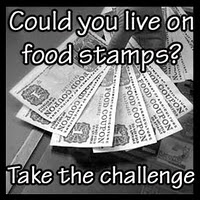
 Most—but certainly not all—of my students are comfortably middle class. This means that they have never really had to think about where their next meal might come from. That’s what makes the food stamp challenge such an interesting exercise for a course in food politics.
The food stamp challenge was started by NGOs to draw attention to the difficulty of surviving on the Supplemental Nutrition Assistance Program (SNAP). While SNAP is an important component of food security for millions of Americans, the benefits are often too low to allow families to purchase a wide array of health and fresh foods. But most of the discourse around “welfare” in the United States focuses on welfare abuse—“welfare queens”—rather than on the millions hardworking Americans who, after paying for housing, electricity, transportation, and other basic expenses, have little money left to spend on food.
The Food Stamp Challenge gives students an opportunity to…
View original post 275 more words


 Dr. Bukar Ali USMAN, mni