NILEST Northeast Regional Director Visits BOLMA DG, Seeks Strategic Collaboration on Leather Value Chain Development with Borno State Livestock Management Agency

NILEST Northeast Regional Director Visits BOLMA DG, Seeks Strategic Collaboration on Leather Value Chain Development
The Regional Director of the Nigerian Institute Of Leather And Science Technology.-NILEST, Zaria, Northeast Regional Center, Dr. Usman Ali Busuguma , led a delegation on a courtesy visit to the Director General of the Borno State Livestock Management Agency (BOLMA), Dr. Bukar Ali Usman mni, at his office in Maiduguri on Thursday, September 11, 2025.
Accompanied by key members of his management team, including Engr. Ibrahim Yahaya (Senior Technical Assistant) and Mrs. Hassana Haruna (Head of Administration) alongside Arziki buba, Alhaji Mohammed, Lami Medugu and Bello Mohammed, Dr. Busuguma congratulated Dr. Bukar Usman on his appointment as Director General of BOLMA and expressed NILEST’s commitment to fostering a mutually beneficial partnership.
During the visit, Dr. Busuguma highlighted the critical role of leather as a major value chain product within the livestock sector, aligning directly with BOLMA’s strategic objectives. He emphasized NILEST’s readiness to collaborate in capacity building, research, and innovation aimed at unlocking the economic potential of leather and its by-products in Borno State and the Northeast region.
In response, Dr. Bukar Usman warmly welcomed the NILEST team and acknowledged the importance of leather as a vital component of the livestock value chain. He assured the delegation of BOLMA’s full support and willingness to work closely with NILEST, particularly in areas of training, technology transfer, and local industry development.
“This collaboration comes at a crucial time. As we rebuild and strengthen the livestock economy in Borno, the leather sector stands out as a key area for sustainable development, job creation, and industrial growth,” Dr. Bukar Usman stated.
The visit concluded with a mutual commitment to set up a technical working group that will drive the modalities for joint initiatives, including stakeholder engagements, pilot projects, and policy support mechanisms. This strategic partnership marks a new chapter in leveraging science, technology, and innovation to revitalize the leather sector as an economic driver in the region.
Posted in Poverty, Hunger, Malnutrition | Leave a comment

#Nigeria Launches NiPHaST to Secure Food for the Future @Fmafs @srilgroupltd


The Federal Government has rolled out the Nigeria Postharvest Systems Transformation Programme (NiPHaST) to tackle one of the country’s biggest food challenges—postharvest losses worth over ₦3.5 trillion each year.

The initiative, part of President Bola Ahmed Tinubu’s Renewed Hope Agenda, is designed to strengthen food security by making sure more of what farmers grow actually reaches Nigerian homes.

NiPHaST will expand access to modern storage systems—ranging from household storage technologies to community warehouses, cold rooms, and national grain silos. These facilities, developed through public-private partnerships, will help preserve crops for longer, reduce waste, and stabilize food prices.

According to Agriculture and Food Security Minister Sen. Abubakar Kyari, the program will “guarantee food availability, accessibility, and affordability,” while also unlocking new investment opportunities in Nigeria’s food sector.

Beyond storage, NiPHaST is expected to boost nutrition, household income, and job creation, while reviving confidence in agribusiness and positioning Nigeria as a reliable food supplier within West Africa.

At its heart, the program is about one thing: ensuring every Nigerian has access to safe, affordable food, today and in the future.


Posted in Poverty, Hunger, Malnutrition | Leave a comment

ATTRIBUTES OF MILKING SHORTHORN CATTLES & THEIR BENEFITS.

OVERVIEW

Milking Shorthorns are medium-framed, red/red-white/roan dairy cows from northeast England’s Tees Valley. Mature cows average ~1,100 lb (~500 kg) and are known for docility, longevity, and dual-purpose value (solid milk plus respectable cull/beef returns).
Learn with #nilefeeds💛🩵💚📱

👉KEY ATTRIBUTES

✅️MILK PRODUCTION & SOLIDS: Recent U.S. DHI data show ~21,246 lb (~9,637 kg) per 305-day lactation. Breed solids are typically ~4.0% fat and ~3.3–3.5% protein—useful for cheese and cultured products.

✅️TEMPERAMENT & MANAGEMENT: Generally calm and easy-handling; strong grazing efficiency; good disease resistance emphasized by the breed society.

✅️CALVING & FERTILITY: Noted for calving ease and regular calving intervals; calves are vigorous at birth.

✅️BODY SIZE: Medium size helps moderate maintenance costs versus very large breeds while still giving good salvage value at end of life.


👉ADVANTAGES

✅️BALANCED MILK + COMPONENTS: Useful fat/protein percentages for processors, with improving solids trends in recent years.

✅️PASTURE PERFORMANCE: Efficient grazers that fit low- to moderate-input, pasture-based systems.

✅️FERTILITY, CALVING EASE & LONGEVITY: Fewer dystocia issues and long productive lives reduce replacement pressure.

✅️DUAL-PURPOSE ECONOMICS: Heavier cull weight than small breeds adds income beyond milk.


👉DISADVANTAGES

✅️LOWER PEAK YIELDS THAN HOLSTEIN: On average ~24% less milk than Holstein herds on U.S. test, so high-input, volume-driven dairies may prefer Holstein.

✅️GENETIC/MARKET SCALE: Smaller global population and AI catalog depth than Holstein/Jersey can limit bull choices in some regions (a practical, industry-scale consideration).

✅️HEAT LOAD SENSITIVITY: While adaptable, they’re Bos taurus; in hot–humid tropics they usually need stronger heat-stress mitigation than Bos indicus or tropically-selected composites.


👉CLIMATE: WHERE THEY THRIVE

✅️BEST FIT: Temperate to cool climates and pasture systems (UK/NZ/Australia/US upper latitudes). Breed references note wide adaptability and success on open plains and varied Australian environments.

✅️WARM/SUBTROPICAL PERFORMANCE: They can do well with management (shade, abundant cool water, airflow, sprinklers around parlor/holding pen, afternoon grazing). In very hot zones, some producers use Shorthorn-derived lines selected in heat (e.g., Australia’s Illawarra) or crossbreeding strategies to add heat/tick tolerance while keeping milk solids.


👉PRACTICAL TIPS (esp. for warmer regions)

✅️Prioritize heat abatement (shade structures or trees, high-flow waterers, fans/misters in waiting areas).

✅️Ration for butterfat on pasture: adequate effective fiber and rumen-friendly energy to avoid fat-protein inversions.

✅️Consider crossbreeding (e.g., with locally adapted or tropically selected breeds) if heat, parasites, or forage seasonality are persistent constraints.


👌QUICK TAKE

Milking Shorthorns are a versatile, low-drama dairy cow: solid milk with good components, fertility and calving ease, and strong pasture efficiency. They shine in temperate, forage-led systems and cope in warmer climates when you invest in heat management—or leverage heat-adapted Shorthorn derivatives/crosses.

🌍Follow our Facebook page for more educative topics:
https://www.facebook.com/nilefeeds.

Posted in Poverty, Hunger, Malnutrition | Leave a comment

Beyond the Herd: Unseen Forces Shaping Livestock Development: By Dr Junaidu Maina

One of the great challenges in life is knowing enough about a subject to think you’re right, but not enough about the subject to know you’re wrong- Neil Tyson

After decades in livestock development, I’ve learned this: some of the biggest policy failures often stem not from ignorance, but from the “known unknowns” we choose to ignore. Hiding in plain sight are the cultural norms, gender dynamics, power plays, and economic realities that decide who really owns the animals, who calls the shots, and who trusts the system. Ignore them, and even the best programmes crumble.
In this piece, I share four real-life examples from Nigeria that show why understanding these dynamics is crucial for designing and implementing effective livestock policies.

RINDERPEST: A Memory Fading Too Fast

The first, during Nigeria’s last major Rinderpest outbreak in the 1980s, it was not uncommon for a pastoralist to wake up and find his entire herd lying dead—wiped out overnight by this devastating disease. Travellers often saw cattle carcasses lining highways, stark reminders of a national livestock emergency. Some livestock keepers were so overwhelmed that it tragically led to suicides.

In contrast, cattle that had received the highly efficacious Tissue Culture Rinderpest Vaccine (TCRV) remained healthy and were visibly thriving. A single dose provided lifelong immunity, leading to the global eradication of rinderpest in 2011—much like smallpox in humans. This remarkable success became a powerful endorsement of vaccination and helped build lasting trust in veterinary services.

The impact extended beyond animal health. Many pastoralist communities, having experienced the benefits of livestock vaccination first-hand, became strong advocates for human health initiatives such as National Programme on Immunization (NPI) and the Polio Eradication Campaign—government initiatives aimed at protecting children from vaccine-preventable diseases.

Sadly, this legacy is under threat. In several countries, growing anti-vaccination sentiments—driven by social media and local politics—are undermining  this vital animal health approach and strategy. In many African countries, vaccination rates remain very low, while livestock diseases already account for over 20% of production losses each year — reducing food supply and increasing greenhouse gas emissions per unit of meat and milk produced.

Swift action is vital to restore public trust in vaccination, reduce antimicrobial use, and prevent economic losses.

From Misunderstanding to Misguided Policy

The second, governor of a Nigerian state —named after a famous river whose valley has, for centuries, been ECOWAS’s most historic pastoral dry-season grazing retreat, was sold the fallacy that ‘ranching’ is the only global best practice for cattle keeping. A notion that’s pure nonsense in the African context. So in 2017, this state — Netherlands-sized (land only), located at the crossroads of two international usufructuary transhumance routes and hosting three of Nigeria’s eight officially gazetted Inter-state Veterinary Control Posts— enacted The Open Grazing Prohibition and Ranches Establishment Law.
Enforced with zeal, the law criminalizing pastoralism has plunged the state into a protracted crisis and a rising toll of lives.

A stark reminder that a misunderstood concept can spawn policies that cause more harm than good.

Beyond the Household Head: The Others Who Count.

A third issue concerns pattern of cattle ownership within small-scale producer households—especially polygamous ones. In many such families, each wife owns and surreptitiously manages her own cattle, yet in external engagements with veterinary officials, researchers, or development agencies, the husband typically presents himself as the sole owner of the herd.

This creates a false picture of ownership, often leading to misaligned interventions. For example, productivity-enhancing initiatives such as improved feeding or veterinary care may stall when it’s unclear who is responsible for covering costs of the feed or vaccines. When ownership is hidden or dispersed, it becomes difficult to identify the true beneficiaries — and with that, responsibility and accountability are easily lost.

Without a clear understanding of intra-household dynamics—especially around power and control—interventions risk being ineffective or inadvertently deepening existing inequalities.

Insights from Nigeria’s Avian Influenza Compensation Programme.
The fourth case emerged during Nigeria’s 2006 fight against Highly Pathogenic Avian Influenza (HPAI). A key pillar of the response was compensating affected commercial poultry farmers—not just as financial relief, but as a trust-building tool to support the government’s modified stamping-out strategy

Rates were carefully calibrated: high enough to encourage reporting and restocking, but not so high as to incentivize complacency. Public ceremonies were held, and beneficiaries’ names were published in National dailies to ensure transparency.

However, the process revealed interesting dynamics that had previously gone unnoticed. As Chief Veterinary Officer at the time, I began receiving phone calls. Men expressed concern about being exposed to robbery and scam due to the publicity. But women were asking a very different question: “Did my husband actually receive the compensation—and if so, how much?”

That was the moment it all became clear — many of the poultry farms were actually owned by women. Yet due to the legal and cultural restrictions at the time, most couldn’t open bank accounts in their own names. Payments were therefore made to their husbands— some of whom claimed they received nothing — leaving the real flock owners both uncompensated and invisible.

This revealed a deeper systemic issue: gendered barriers to financial inclusion, and the limited recognition of women’s roles in livestock value chains. It also highlighted how misunderstood household dynamics can undermine even the most carefully designed intervention.

Forward Thinking: Lessons for the Future

Productivity gains mean little if the benefits stay lopsided. Ignore household power dynamics, and even the best intentions can deepen inequality

Change is happening—but it’s just the beginning. Nigeria’s shift to a cashless economy and expanding digital financial services are closing vital gaps, empowering more women to take charge in livestock production.

Policymakers must seize this moment: scale up telemedicine, champion digital innovations, and prioritize inclusive access.
Policy’s role is clear: engage all stakeholders, centre the people who matter most and build local capacity. In sub-Saharan Africa, livestock productivity isn’t just about animals — it’s about equity, resilience, and food security for millions.

#Junaidu Maina

Posted in Poverty, Hunger, Malnutrition | Leave a comment

What Africa’s Great Green Wall looks like

I’ve written before about the Great Green Wall across the Sahel, aiming to shore up the region and hold back the Sahara desert. Whether or not it is …

What Africa’s Great Green Wall looks like
Posted in Poverty, Hunger, Malnutrition | Leave a comment

Why is China quietly helping Africa build a Great Green Wall across the Sahara?

‘This battle can be won’: desert expert reveals how China’s technology, funding and strategies aid ambitious environmental project https://…

Why is China quietly helping Africa build a Great Green Wall across the Sahara?
Posted in Poverty, Hunger, Malnutrition | Leave a comment

Marriott Partners with China Green Foundation to Combat Desertification in Gansu with the Million Forests Project: New Travel Updates You Need to Know

Friday, December 27, 2024 Marriott International has officially relaunched its Good Travel by Marriott Bonvoy program, expanding its reach across …

Marriott Partners with China Green Foundation to Combat Desertification in Gansu with the Million Forests Project: New Travel Updates You Need to Know
Posted in Poverty, Hunger, Malnutrition | Leave a comment

Nigerian Agriculture Minister, Sen Kyari calls for Amendment for Agric Agency Act for alignment of Policy trust of Government Food Security: Agric Ministers, Kyari, Abdullahi, Meet Senate Committee. …..Senator Kyari Calls For Amendment To Agric Agencies’ Acts For Policy Alignment The Honourable Ministers of Agriculture and Food Security, Senator Abubakar Kyari, CON, and his colleague, the Honorable Minister of State for Agriculture and Food Security, Senator Sabi Abdullahi, CON, honored an invite to participate in an interactive session held at the National Assembly Complex by the Senate Committee on Agriculture, Production Services, and Rural Development. In the session chaired by the Senate Committee Chairman, Senator Saliu Mustapha, he said harped on recognizing that the NASS committee and the Federal Ministry are all stakeholders in the agricultural sector, and that the nation relies on all stakeholders to provide the necessary support for enhancing agricultural production, the largest employer of labor in our nation. “Agriculture stands as the cornerstone of our economy, maintaining its significance as the driving force behind the national economy.” “Ensuring food security for our citizens is imperative for Nigeria’s survival, with a majority residing in rural areas and predominantly engaged in farming for their livelihoods. As active participants in this crucial sector, we must not falter in meeting their expectations. The committee members acknowledge the weighty responsibility on our shoulders and are dedicated to ensuring the full implementation of policies and legislation. This interactive meeting is pivotal to assess our current position, determine our standing, and plan for the future. With your cooperation, and by the grace of the Almighty, we aim to act in the best interest of our nation and the livelihoods depending on this sector. Distinguished Senators, honorable ministers, heads of agencies, and parastatals, I extend a warm welcome and anticipate a harmonious working relationship. The interactive session is hereby called to order, with the minister leading the proceedings.” Taking his turn to speak at the event, the Honourable Minister of Agric and Food Security, Sen. Abubakar Kyari, CON, opened the floor, “Honourable members, I confidently distinguish my colleagues, including my esteemed brother, the Honorable Minister of State, who was also a member of the 8th and 9th Senate. I extend our gratitude for the invitation from Mr. Chairman and the warm reception within these walls. Today, we gather to discuss the critical issue of agriculture, a topic that warrants more time than a day or two due to the multitude of challenges it faces.” “Notably, on July 13th, 2023, President Bola Ahmed Tinubu declared a food security emergency, leading to the renaming of the ministry from Federal Ministry of Agriculture and Rural Development to Federal Ministry of Agriculture and Food Security. Our nation is currently grappling with threats to food security, primarily stemming from conflicts and climate change.” “Agriculture in Nigeria confronts two major challenges: conflict and climate change. The safety of our farmers, predominantly residing in rural areas as smallholders, is jeopardized by insurgency and kidnapping. Moreover, climate change introduces unpredictable weather patterns, such as heavy rainfall causing flooding or disrupting traditional planting practices. Another pressing issue is the lack of inclusion, with smallholder farmers struggling to access essential resources like inputs, finance, and capital. Fortunately, institutions like the Bank of Agriculture and the National Agriculture Development Fund, established through recent legislation, aim to address these inclusion gaps.” “President Ahmed Bola Tinubu’s 8-point agenda outlines crucial focus areas, including food security, job creation, economic growth, inclusion of women and youth, poverty eradication, and access to capital. To tackle immediate challenges, our programs for dry season farming, supported by the African Development Bank, aim to cultivate significant hectares of wheat, maize, rice, and cassava. This initiative not only addresses food insecurity but also promotes self-sufficiency. Mechanization becomes a pivotal aspect, urging us to embrace technology and innovation to maximize yield in our shrinking arable land.” “As we navigate these challenges, the National Assembly’s support, exemplified by the supplementary budget, plays a vital role in realizing our objectives.” The Senate Committee Chairman, Senator Salihu Mustapha, queries the relationship between the Federal Ministry of Agriculture and Food Security and agencies like NIRSAL and NALDA, emphasizing the need for collaboration to enhance food security. He points out that these newly created agencies, though external to the Ministry, play a significant role that intertwines with its functions. In response, the Honourable Minister of Agriculture. Senator Abubakar Kyari, revealed a lack of cooperation between NIRSAL, the CBN, and the then Federal Ministry of Agriculture and Rural Development. He highlighted the plans for a meeting between the Managing Director of NIRSAL and himself, expressing optimism about fostering mutual cooperation. Additionally, the Executive Secretary of NALDA’s role in achieving food security is acknowledged, but concerns were raised about the agency’s efficiency in land preparation, vital for cultivating the substantial untapped arable land. Solidifying Senator Kyari’s position, his colleague, the Honourable Minister of State for Agriculture and Food Security, Senator Sabi Abdullahi, CON, emphasized the collective interest in ensuring alignment between NALDA’s programs and the Ministry’s objectives. He pointed out that despite NALDA reporting to the Presidency, it was ceded to the Ministry for supervision. Senator Abdullahi urges the committee to review the NALDA act promptly, given the declared food security emergency, to align the agency’s programs with the Ministry’s goals and enhance overall efficiency in the agricultural sector.

Posted in Agriciltural Policy, Agriculture, Food Security, Poverty, Sustainable Development | Tagged , , , , , , , | Leave a comment

5 sustainable agriculture practices for long-term success

Implementing sustainable practices aimed at sequestering carbon, or carbon farming, can help farmers and ranchers increase their bottom line while …

5 sustainable agriculture practices for long-term success
Posted in Poverty, Hunger, Malnutrition | Leave a comment

Community Agriculture Alliance: Can land management principals to avoid desertification be applied here?

Lyn HallidayCommunity Agriculture Alliance – https://www.steamboatpilot.com/opinion/guest-commentary/community-agriculture-alliance-can-land-…

Community Agriculture Alliance: Can land management principals to avoid desertification be applied here?
Posted in Poverty, Hunger, Malnutrition | Leave a comment

Kitchen gardens to alleviate hunger and malnutrition

PROF. DR. WILLEM VAN COTTHEM Nutritional deficiencies in the Third World affect the daily life of almost all the poor, most of whom suffer from …

Kitchen gardens to alleviate hunger and malnutrition
Posted in Poverty, Hunger, Malnutrition | Leave a comment

The State of Food Security and Nutrition in the World

By David Braughton In September, 2015, United Nations members participating in a summit on sustainable development adopted a bold and far-reaching …

The State of Food Security and Nutrition in the World
Posted in Poverty, Hunger, Malnutrition | Leave a comment

THE UNIVERSAL SOLUTION for alleviating #malnutrition and #hunger

Utilizing flower beds and pots to grow vegetables and to some extends fruits can be a very effective means of enhancing nutritional security of the family.

by Prof. Dr. Willem VAN COTTHEM (Ghent University, Belgium) Here is MY UNIVERSAL SOLUTION to the world problem of hunger and malnutrition of children…

THE UNIVERSAL SOLUTION for alleviating malnutrition and hunger
Posted in Poverty, Hunger, Malnutrition | Leave a comment

Internship: Governing food sharing in Utrecht

Lucie Sovová's avatarRural Sociology Wageningen University

We are looking for a research intern to conduct scientific research on food sharing and governance in the Municipality of Utrecht as part of the EU-funded project CULTIVATE. Knowledge of Dutch and experience with qualitative research methods and analysis are essential.

CULTIVATE uses a multi-actor approach to build sustainability and resilience in urban and peri-urban areas through a ground-breaking online social innovation support platform – The Food Sharing Compass. Built with and for five key stakeholder groups – food sharing initiatives, policy makers, food supply actors, researchers and citizens – the platform will make it possible to navigate diverse food sharing landscapes and cultures, in order to understand, develop, replicate, expand and strengthen sustainable food sharing in Europe. In essence, CULTIVATE will establish the EU as the global frontrunner in the development of resilient and inclusive food sharing economies, identifying drivers and implementation gaps and challenging existing theories and practices…

View original post 304 more words

Posted in Poverty, Hunger, Malnutrition | Leave a comment

Tax Break for Agric-Investor in Nigeria

“FG approves five-year tax break for agric investors”

https://punchng.com/fg-approves-five-year-tax-break-for-agric-investors/?amp


The Federal Government has approved new incentives for investors in the agricultural sector to improve high-level private sector participation in the nation’s food production and processing industry, the Minister of Agriculture and Rural Development, Dr. Mohammad Abubakar, has said.

Among the incentives included tax and duty-free holidays for a period of five years for agricultural production and processing in Nigeria; tax-free agricultural loans with a moratorium period of over 18 months and repayment period of not more than seven years; and zero-tariff rates on the importation of agro chemicals.

Abubakar stated these in Abuja on Thursday during the 29th edition of the LAPO Annual Development Forum with the theme, ‘Financing agriculture and rural development initiatives in Nigeria: Issues and way forward’.

While calling Nigerians to invest in agriculture, the minister explained that the sector was experiencing a reinvigoration with dedicated policies of the Federal Government aimed at allowing the private sector to get involved and make more contributions in growing the nation’s Gross Domestic Product.

He said, “Agriculture will continue to be an established driver of Nigeria’s GDP growth. The agricultural growth in Nigeria has steadily increased from 3.48 per cent in 2015 to 6.48 per cent as of 2020.

“The Federal Government, through the Ministry of Agriculture and Rural Development, harps on the imperative of improving the country’s agricultural produce and turning agriculture itself into big business.”

The minister reiterated the Federal Government’s commitment towards creating investment opportunities for the private sector to participate in industrialising the agricultural sector; adding that its annual budgetary allocation to agriculture had been increased.

Abubakar emphasised that the government was making efforts across the length and breadth of the country to ensure sustainable food security and agribusiness as its core.

He said, “The government of the Federal Republic of Nigeria has established viable institutions, which provide services that will accelerate the tempo of private investment in Nigeria’s agriculture

“We have shown more commitment to secure investment in agriculture by increasing budgetary allocation from seven percent to 10 per cent.”

He also said that under the proposed National Livestock Transformation Programme, some areas of cooperation would have to be addressed for the private sector to consider

They included beef and dairy production and processing, veterinary drugs and vaccine production, sheep and goat production, animal feed production and several others.

Delivering his keynote lecture, Prof. Ernest Aiyedun of the Faculty of Agriculture, University of Abuja, said that over the years, the Nigerian government had formulated good agricultural financial policies meant to encourage food production.

He, however, regretted that such policies have been found to be inefficient and ineffective, as the intended results were not realized.

“There is, therefore, a need to ensure adequate budgetary provision and releases targeted to specific areas of need.

“Bridging the demand and supply gap in food and fibre in Nigeria would be a mirage, if financing for agriculture is not taken seriously. It is, therefore, necessary that the public financing models in place that are effective should be intensified and those not wiring should be evaluated for possible retooling for effectiveness”, Aiyedun added

Earlier in his welcome address, the Chief Executive Officer of LAPO, Dr. Godwin Ehigiamusoe, stated that agricultural-driven growth and food security in the country were being hindered by inadequate financing and poor use of technology amongst others, resulting in higher food prices, increasing poverty, hunger and malnutrition.

He said that LAPO had, over the years, supported the agricultural sector of the economy through the provision of flexible financial services to rural farmers and agribusinesses through the LAPO Microfinance Bank and the LAPO Rural Development Initiative.

“LARDI disbursed N75.4bn to 183,538 clients, who are predominantly rural farmers between 2015 and July 2022. The microfinance bank already disbursed the sum of N4.1bn to small scale farmers in 2022”, he added.

The Chairman of LAPO Board of Directors, Dr. Osaren Emokpae, said that aside increasing funding, it was imperative to fund agricultural researches in the country with efforts intensified to reduce the cost of basic agricultural implements and tools in order to increase accessibility by farmers.

Posted in Poverty, Hunger, Malnutrition | Leave a comment

Enhancing digital education to empower coffee professionals at origin 

GFAiR's avatarThe GFAiR Blog

by GFAR

How can digital education empower coffee professionals at origin and transform the industry, considering the challenges posed by outdated data collection methods and the limited implementation of digital tools?


Gersón Solórzano, a certification technician from the San Marcos area in the Honduran department of Ocotepeque, is employed by UnioCasmo. This local union of coffee organizations supports approximately 350 smallholder coffee producers by providing various services, including technical assistance, access to financial support and market opportunities, and assistance with certifications. The organization prides itself on producing traceable coffee, a highly sought-after quality in the Global North. However, the process of registering farm data on paper remains arduous and prone to human errors, hindering efficiency and progress.

Despite the widespread availability of digital solutions, many farmers and farmer organizations still rely on manual notepads for recording essential information, such as crop volume and fertilizer usage. The implementation of digital tools…

View original post 484 more words

Posted in Poverty, Hunger, Malnutrition | Leave a comment

“Could we feed ourselves like the apes do?

Prof. Dr. Willem VAN COTTHEM (Ghent University, Belgium) In many nature documentaries about the tropics, I see that apes feed on leaves from various …

“Could we feed ourselves like the apes do?
Posted in Poverty, Hunger, Malnutrition | Leave a comment

Small-scale family farming in changing food systems

GFAiR's avatarThe GFAiR Blog

By Sophia Amoah (Knowledge Management Intern, FARA, Ghana)

A picture depiction of a small farmer family. Photo Credit: Brand Spur

FAO defines family farming as: “a means of organizing agricultural, forestry, fisheries, pastoral, and aquaculture production which is managed and operated by a family and predominantly reliant on family capital and labor, including both women’s and men. The family and the farm are linked, co-evolve, and combine economic, environmental, social, and cultural functions” (FAO 2013, p.2). Small-scale family farming accounts for more than 80% of agricultural production and about 75% to 85% of agricultural lands in the Near East and North Africa, which face several obstacles in attaining increased food security, nutrition, and agricultural development.

More than 80% of all farms in the world are family farms with less than 2 hectares of land. Farms of less than 2 hectares are estimated to account for 75 percent of farms…

View original post 699 more words

Posted in Poverty, Hunger, Malnutrition | Leave a comment

75th Anniversary: 58) Research at the Rural Sociology Group: Agrarian Movements and Transitions in the Global South

Joost Jongerden's avatarRural Sociology Wageningen University

Lisette Nikol, PhD candidate at the Rural Sociology Group

How do small farmers in the Global South secure their livelihoods? How do capitalist dynamics and agrarian movements striving for alternatives shape these livelihoods? How can agrarian transition pathways address possible tensions between the needs of rural development, sustainable agrarian futures and a growing world population? What role do and should farmers play in imagining and realising these transition pathways and agrarian futures? How do we analyse and explain agrarian transitions in general and the farming systems realised by agrarian movements in particular?

These abstract questions summarise my research interests. My interests are motivated by a concern for an agrarian future that is socially just and environmentally sustainable, in which our farming populations and natural environment can thrive rather than be exploited.

In my PhD research, I investigate diverse facets of an ongoing agrarian struggle in the wake of agricultural modernisation…

View original post 1,041 more words

Posted in Poverty, Hunger, Malnutrition | Leave a comment

An Unbreakable Connection with the Beloved Camel

Posted in Poverty, Hunger, Malnutrition | Leave a comment

Invest strategically in wind and solar farms in Africa, says Oxford study

A sustainable future for Africa can be achieved through strategic investment in wind and solar farms, reveals an Africa-wide study from the …

Invest strategically in wind and solar farms in Africa, says Oxford study

“Investments in the continent must also be geared towards improving grid infrastructure and reliability to handle utility-scale renewable energy investments, notably in Sub-Saharan Africa,’ states co-author Nick Eyre, Professor of Energy and Climate Policy at the University the Oxford.”

Posted in Poverty, Hunger, Malnutrition | Leave a comment

CGIAR Research Program on Agriculture for Nutrition and Health publishes 2020 annual report

The CGIAR Research Program on Agriculture for Nutrition and Health (A4NH) published its 2020 annual report on activities and accomplishments from its…

CGIAR Research Program on Agriculture for Nutrition and Health publishes 2020 annual report
Posted in Poverty, Hunger, Malnutrition | Leave a comment

A food security agent for the camels in the desert

Posted in Poverty, Hunger, Malnutrition | Leave a comment

Question Asked~ What is the Concept of Small-Scaled Livestock Production Syetems?

“There are two main types of small-scaled livestock farming, i.e. 1. owing agricultural land (2-20 acre) 2. landless farmers
But pastoralists/nomads cannot be categorized in this small scaled farming group. They are very specialized professionals and move with their livestock on their fixed and historical routes.“ – Hasan Mohammad Nur (PhD)

Posted in Poverty, Hunger, Malnutrition | Leave a comment

Camel is a real nature based solution for food security in in the arid regions of the world

Posted in Poverty, Hunger, Malnutrition | Leave a comment

Critical pillars necessary for sustainable investment in Agriculture and Agri-business identified!

The five critical pillars has been identified and proposed by #afdb as the new approach to investing in agriculture and agri-business. These are;

1. Scaling up of proven climate-adapted, science-based production and other technologies;

2. Creating an enabling environment for enhancing agricultural production. Governments must commit to policy and regulation that facilitates access to modern technologies;


3.  Building critical backbone infrastructure linking production areas to markets and processing at African national and regional levels;


4. Crowding in private-sector investments and access to finance. Private sector investment and business expertise will grow food supply chain commercial viability, as well as inclusion of more small and medium enterprises and smallholder farmers;


5. Support to an African special emergency assistance fund on famine and drought.”

https://www.afdb.org/en/news-and-events/press-releases/world-food-day-time-global-leaders-invest-africas-agriculture-46233

Posted in Poverty, Hunger, Malnutrition | Tagged , , , , | Leave a comment

Transforming the food system? Let’s talk finance.

GFAiR's avatarThe GFAiR Blog

Blog post by Glindys Virginia Luciano, Network Engagement Coordinator, Young Professionals for Agricultural Development (YPARD) & Genna Tesdall, YPARD Director

In the last several years, dialogue around safe and nutritious food has evolved from talks about productivity towards post-productionist goals. What does it really mean to consume food that is produced in an ethical manner and in a fashion which respects farmers, animals, the environment and consumers? The conversation is still evolving, and YPARD is honored to contribute at the global level as the youth constituency is increasingly recognized. We have been advocating for youth for years thanks to inclusion at GFAR, and more recently at the UN Food Systems Summit, World Food Forum, Pre-COP and Committee on World Food Security.

While our inclusion is a great starting point, the global community needs to commit resources to taking action. Governments, non-governmental organizations, and multi-stakeholder groups need to actively work…

View original post 745 more words

Posted in Poverty, Hunger, Malnutrition | Leave a comment

New series #RiseofAgriculture tells the stories behind Trinidad and Tobago’s agriculture sector

“Reinvigorating an agricultural sector during a pandemic and within in an economy that has sustained itself on oil and gas for decades is definitely a challenge. Yet the call for agriculture to lead Trinidad and Tobago’s economy continues.“ – GFAR … What lessons would Nigeria 🇳🇬 learn?

GFAiR's avatarThe GFAiR Blog

By Deston Pope and Keron Bascombe, Tech4Agri

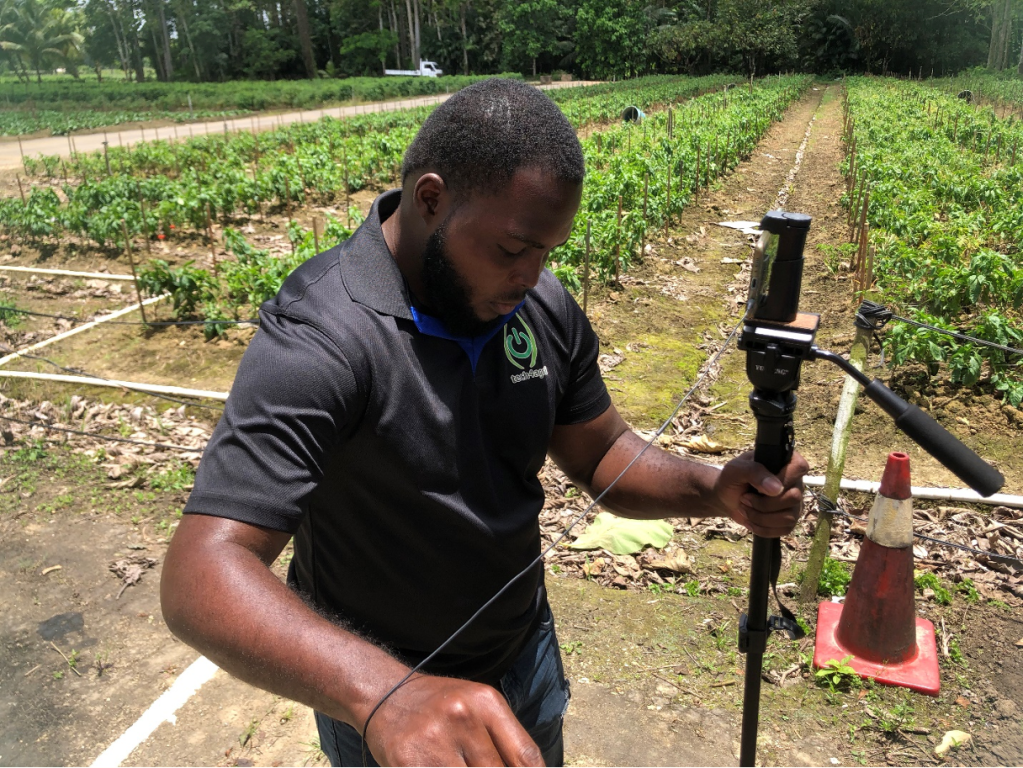
Deston Pope shoots footage on location for a site visit to a farm in Tabaquite, South Trinidad.

In today’s world, the words ‘vaccine’ and ‘economy’ including the phrases ‘digital transformation’ and ‘food security’ can be heard almost every day. And yet the greatest untapped resource, our youth, still struggle to enter and maintain a livelihood within the agricultural sector.” – Keron, Creator @Tech4Agri

A small island in recovery?
Reinvigorating an agricultural sector during a pandemicand within in an economy that has sustained itself on oil and gas for decades is definitely a challenge. Yet the call for agriculture to lead Trinidad and Tobago’s economy continues.

Prior to the pandemic our oil and gas energy-based economy was in the midst of failure, while our agriculture sector had been downsized with several sub-sector support programs and institutions being closed down. Island food systems…

View original post 980 more words

Posted in Poverty, Hunger, Malnutrition | Leave a comment

Reeling in economic opportunities for Africa’s youth

“One sector that holds enormous potential for decent employment opportunities is aquatic food systems, which include aquaculture, capture fisheries and related supply chains. Aquaculture is one of the fastest growing food-producing sectors in the world, yet it currently employs just a fraction of young people.

In Nigeria, for example, less than 2% of youth who work in agri-food are involved in aquaculture or capture fisheries.” – GFAR

GFAiR's avatarThe GFAiR Blog

By Indika Arulingam, Research Officer, International Water Management Institute and Shakuntala Thilsted, Global Lead for Nutrition and Public Health, WorldFish

Tilapia fingerlings being bought at aquaculture ponds in Kitwe, Zambia. Credit: D.Huso/WorldFish

Governments knew that youth unemployment was high before the COVID-19 pandemic, but what they failed to realize was how vulnerable even those with jobs were.

Globally, youth employment fell by almost9%in 2020 compared with 3.7% for adults.

And nowhere is the jobs gap more urgent than in Africa, where the median age is roughly 19 years old – half the equivalent in Europe at 42.5 years. Given thatmore than halfof the continent’s population is expected to be under the age of 25 by 2050, creating sustainable livelihoods is a priority.

Figures show that up to80%of young Africans find work in the food sector but ascompetition for jobs grows amid scarce and unevenly distributed resources and additional pressures, the…

View original post 675 more words

Posted in Poverty, Hunger, Malnutrition | Leave a comment

Camel milk lactoferrin against bacterial infections

“Its sceintifically proved that milk lactoferrin inhibits the growth of some pathogenic strains in humans and/or animals such as Escherichia coli, Salmonella typhimurium, Shigella dysenteriae, Listeria monocytogenes, Streptococcus spp., Vibrio cholerae, Legionella pneumophila, Klebsiella pneumophila, Enterococcus spp., Staphylococcus spp., Bacillus stearothermophilus and Bacillus subtilis.” – Prof Taherah

Posted in Poverty, Hunger, Malnutrition | Leave a comment

Fermented Camel Milk (Shubat)

It is commonly called “chukuwe” along Yobe Borno axis of North East Nigeria 🇳🇬

Posted in Poverty, Hunger, Malnutrition | Leave a comment

Camel milk- A Natural Compound against the Liver Diseases

Posted in Poverty, Hunger, Malnutrition | Leave a comment

ILRI research generates evidence for better prevention and control of zoonotic diseases

To mark this year’s World Zoonoses Day (6 July), we highlight ILRI’s research expertise, projects and recent peer-reviewed publications on zoonoses.

ILRI research generates evidence for better prevention and control of zoonotic diseases
Posted in Poverty, Hunger, Malnutrition | Leave a comment

New digital tools to support African farmers created at INSPIRE Hackathons

GFAiR's avatarThe GFAiR Blog

By Karel Charvat, WirelessInfo and Hana Kubickova, Plan4all

Since 2016, the INSPIRE Hackathon organized by Plan4all has served as a collaborative event for developers, researchers, designers and others interested in open data, volunteered geographic information and citizen observatories. The event brings together specialists from across disciplinary backgrounds to form teams around a problem or idea, and collaboratively co-create unique solutions to key challenges facing Europe and Africa.

Nairobi INSPIRE Hackathon 2019 and Kampala INSPIRE Hackathon 2020, organized in the frame of the IST Africa Conference, addressed some of the key topics identified by the IST-Africa conference, such as agriculture, environmental sustainability, collaborative open innovation and ICT-enabled entrepreneurship. While defining the challenges for both hackathons, challenges associated with the climate were not forgotten either.

At the Nairobi INSPIRE hackathon, the team formed around the topic ‘Climatic services for Africa’ aimed to demonstrate several options of meteorological data exploitation…

View original post 574 more words

Posted in Poverty, Hunger, Malnutrition | Leave a comment

We Need to Produce Milk and Meat and other Products in Tune with Nature

Posted in Poverty, Hunger, Malnutrition | Leave a comment

Why do we need to Support Camels and their Herders?

Posted in Poverty, Hunger, Malnutrition | Leave a comment

Borno’s Journey in two years By Prof Babagana Umara Zulum mni, FNSE the Executive Governor of Borno State Nigeria.

Fellow citizens,

It has been two years since we took the oath of office, following the overwhelming mandate you, the good people of Borno State, entrusted in us during the 2019 democratic transition.

In these two years, we have together, witnessed continued turbulence even though in the midst of shared hope, shared optimism, shared faith, shared resilience and communal determination to ceaselessly devote ourselves to freeing our Borno from 12 years of vicious insurgency. 

As part of that commitment, we, from our first day in office, made security our number one priority. This is in recognition of the fact that the fundamental duty of any Government is to ensure the safety of citizens to such a level that citizens themselves feel they are safe.

My first activity as Governor of Borno State was to interface with head of the military involved in the fight against insurgents.

In our first week in office, we interfaced with thousands of our volunteers from the civilian JTF, hunters and vigilantes, and we increased their monthly allowances, in addition to allocating to them more patrol vehicles and other logistics needed to enhance their operational roles of complementing armed forces in fighting Boko Haram.

In our combined approach, we took aggressive steps of recruiting thousands of hunters from different parts of northern Nigeria, mobilized and deployed them to accelerate our support for the military.

We made it a policy that in all our 27 local government areas, volunteers were strengthened with additional recruitment, surveillance vehicles and other gadgets.

We extended tremendous support to the military, the Nigeria Police Force and other armed forces, through the allocation of vehicles, Armoured Personnel Carriers and other logistics. We gave far reaching support to families of fallen soldiers, other security personnel and volunteers. We made the government house 100% accessible to commanders of all armed forces in Borno and ensured we gave serious considerations to all security based requests. 

On regular basis, we held several high level collaborative consultations with Mr President, Commander in chief, former and incumbent service chiefs, the Inspector General of Police and Commanders of all paramilitary organizations, the Director Generals of the DSS and the NIA as well as heads of the military and security agencies resident in Borno State, with several efforts on the fight against insurgency.

I was at headquarters of the multinational Joint Task Force in N’Djamena, and I even held meeting with late President of Chad, as well as governors of provinces in Niger and Cameroon, all towards increased security collaboration.

From our first week in office back in 2019, we began tour of all the 27 local government areas to identify their priority needs; and we interfaced with critical stakeholders in these local governments to select areas requiring immediate, short and long term interventions.

Findings from these assessment visits to 27 local government areas provided the guide to the policies, programmes and capital projects we have embarked upon from our first 100 days to our first year in office. In our second year, we have, with the full participation of all stakeholders, developed, launched and adopted a 25-year development plan for Borno, with initial 10-year phase of implementation.

We however recognized that no plan of ours could succeed when hundreds of thousands of fellow citizens, especially those displaced by insurgents, live with hunger and indignity.

From day one, we were faced with acute humanitarian crisis particularly in northern and some parts of the central senatorial zones. As such, we made it a policy, that as Governor, I assume the role of chief humanitarian officer for different reasons. On one hand, it was our duty to deliver help to our fellow citizens that were either internally displaced or taking refuge in neighbouring countries. On the other, there was the risk that insurgents could, after making IDPs socially and economically vulnerable, also explore that vulnerability by offering food and cash incentives to recruit fighters who could even serve as their spies in communities. From records, we have experienced instances when insurgents offered as low as between 5,000 and 10,000 Naira to recruit some spies and smugglers of weapons. We therefore needed to take steps ahead by making sure we regularly visit IDPs in all parts of Borno, including remote locations, to efficiently and sufficiently deliver food, cash support, and clothing. We needed to ensure that our good citizens had the support they needed, and they were not exposed to potential attractions for the incentives of insurgents.

Fellow citizens, our socio-economic interventions did not stop with IDPs.

For instance, we took measures to curtail and hopefully, put an end to street begging. To achieve this, we began conditional cash support to physically challenged persons while working on empowering them with means to rely on themselves through vocational skills peculiar to their individual and group conditions. We took a bolder step towards reforming the almajiri school system which we call sangaya here in Borno. Consequently, a bill to establish Sangaya and Islamiya Board was sent to the state assembly.

Meanwhile, we have in our reforms, banned political thuggery amongst our youths across the state. We have with their full cooperation, converted the energies they used for political thuggery into productive uses that improve our environment, while we paid them monthly stipends for livelihoods. Government will soon come up with more plans to support these youths.

Fellow citizens, in our social protection and economic drive, we took far reaching steps to stimulate businesses in local economies by giving start-up capital to small scale entrepreneurs and increasing the investments of medium scale entrepreneurs in major towns of our three senatorial zones.

Recognizing the critical importance of the local government system, we organized elections to put in place democratic leadership. In doing so, we raised the bar of leadership by encouraging University Professors and their likes to aspire to become chairmen so they could mix with our experienced grassroots politicians in other to stimulate comparative and competitive progress.

We also encouraged and even compelled our royal fathers to remain in their domains because their presence inspires public confidence and resilience.

We undertook several impromptu visits to local government areas in order to instill discipline in our civil and public service system at the grassroots.

During these visits, we applied reward and sanctions to ensure our hospitals had doctors, nurses and other medical staff; our schools had teachers and school administrators, and our royal fathers were gloriously on ground to inspire all of us.

In our supervisory approach, we made it a habit of showing up at late night, early mornings or at any odd time, to hospitals, schools, IDP camps, water service areas, ministries and other government establishments. I even established an office annex at the Musa Usman workers secretariat, in order to keep civil servants, particularly those at the top levels, on their toes. I made my appearance to the secretariat continually unpredictable to even my security and other personal aides.

Our approach have steadily yielded dividends as we can see from gradual pick up of increased commitment in hospitals, schools, other government institutions and in our local government areas.

With shared commitments and with the strong goodwill, support and prayers from you, the people of Borno State, we are delivering 556 capital projects with 70% of the total already completed while 30% are at various completion levels.
Our projects, done with your support, include 194 capital projects on education, which encompass rehabilitation, completion and fresh construction of Mega-size government technical colleges and primary schools in different communities. We have 63 capital projects on governance, and another 63 capital projects on roads, transport, rural and urban development. 59 capital projects are being delivered on water and environment; while on health, we are delivering 58 capital projects that include establishment of 74 primary healthcare centres across local government areas, rehabilitation of 8 General and specialist hospitals in MMC, Biu, Damboa, Monguno and Magumeri.
We have undertaken 53 capital projects on Reconstruction Rehabilitation and Resettlement which involve estates combining over 6,000 resettlement houses for IDPs and Refugees in 15 towns. I am happy to once again, acknowledge, that His Excellency, Mr President, Muhammadu Buhari, GCFR, has since approved 10,000 resettlement houses in Borno State. I am also happy to note substantial number of these houses have been completed with more ongoing.

There are 28 capital projects on Jobs creation, Youths Empowerment and Humanitarian support which include an all-inclusive vocational training centre with 14 workshops for capacity development of 1,500 persons per annum.

I am happy to recall, that with your support, we have worked towards the academic take-off of the Borno State University, which was established in 2016. The senate has since been inaugurated with students enrolled and academic activities ongoing. We have continued all projects met on ground and started newer infrastructures. We have even commenced the construction of teaching hospital and a medical college, to prepare the University for the award of degrees in medicine and other medical programmes. We have successfully lobbied for the approval and take-off of a federal polytechnic in Borno State and hopefully, we will soon have a federal college of education. Hitherto, Borno had remained one of the few states in Nigeria, which had no federal polytechnic and college of education. 

Fellow citizens, as your Governor, I am however aware that in the midst of all that what we have been able to achieve, there are indeed concerns about some of our policies and actions in the last two years.

Top of these are issues relating to taxes of KEKE NAPEP, on commercial goods in markets, on shops, on consumption and entertainment and other issues. I am also aware of issue relating to ongoing reforms in land administration by the Borno State Geographic Information System, BOGIS, which deals with and also enforces some aspect of urban planning and environmental protection. There are concerns on enforcing clearance on rampant roadside trading. These concerns and many others I did not list are largely genuine and citizens have fundamental rights to be worried and to even be unhappy with these policies.

Fellow citizens, of all Nigeria’s 36 states, none is faced with the level of Borno’s security and by extension, social and economic challenges.

Borno has thousands of volunteers who are being paid monthly allowances, provided with kits and vehicles to complement the military in the fight against Boko Haram.

Fellow citizens, for every unfortunate incident of attack that occurs, more attacks would have been prevented through combined efforts that cost money.

Also related to security, we continually support IDPs and vulnerable citizens with cash to strengthen their resilience to Boko Haram manipulations, and this also costs money.

We are undertaking other social protection interventions which cost money and yet we are amongst states that are the most constant in paying monthly salaries and pensions.

As we may have seen in some states, downsizing is taking place in order to cope with payment of salaries and pensions of workers. In Borno State, we cannot afford mass retrenchment of workers because we know the potential social implications of such actions. While many persons may argue that workers are in fewer thousands, we recognize that these numbers have multiplying effects not only in terms of bigger number of dependents, but also on the effect of salaries and pensions in our local economy. Thousands of traders, both small and medium, rely on sales from the funds pumped into the local economy, for their survival.

We therefore cannot afford a mass sack to cope with wages, rather, we are even employing more and more persons. For instance, we have in January this year, employed and trained 800 teachers, just as we employed more doctors, nurses, midwives and other support staff.

To create more rooms for employment, we are reviving industries and putting the good ones to productivity. We are also preparing grounds for our youths to become more employable, and we do this by ceaselessly awarding scholarships to hundreds for specialized courses abroad and for all programmes across Nigeria.

We are subsidizing access to education by paying annual scholarship to over 20,000 students in tertiary schools within and outside Borno. We even paid tuition fees for over 3,000 pioneer students of our state university, yet, we have been supporting parents and guardians by paying for Senior Secondary Certificate Examination fees for our citizens.

Fellow citizens, Borno State is shouldering these responsibilities because we recognize that they impact on the generality of our citizens. However, we cannot sustain all these subsidies in primary, secondary and tertiary education, in healthcare, in consistency of salaries and pensions, and creating new jobs and giving out start up capitals to small and medium scale business persons, unless we create means of increasing our internally generated revenue through some of the tax measures we took, the blocking of leakages and the strengthening of our revenue generating establishments with bold targets.

The Borno State Geographic Information System, BOGIS, has in less than two years of its existence generated close to one billion naira while we were only able to generate around 100 million from 2017 to end of 2019. Of course, affected citizens, in few hundreds, were happy with not paying land levies in previous years, but then, nearly one billion naira generated by BOGIS, has been used on public services that include subsidizing education and healthcare to benefit the generality of Borno people. The same applies to whatever we generate through other taxes. We are prudently deploying these IGR for the benefit of all citizens through the execution of impactful programmes and projects.

Fellow citizens, given my background, I know the pains of struggles, but I also know, that it is better for us to make these sacrifices that  will enable government sustain the subsidies on basic, secondary and tertiary education, on healthcare, on jobs creation, on salaries and pensions, on creating jobs and supporting traders, on supporting displaced persons and on supporting volunteers and our armed forces in the fight against Boko Haram and lots more.

As your Governor, I assure you that all resources are judiciously put to uses that are either benefiting all citizens or will benefit all citizens in the long run.

We are determined to remain on the track of finding enduring peace in Borno State. We are determined to continue our massive construction of thousands of homes for the relentless and safe resettlement of displaced persons and refugees.

We have been able to return our citizens from refugee camps in Niger and Cameroon to safe and dignified resettlement in parts of Borno State. We will continue in this regard the same way we will continue in safely resettling IDPs.

As we have started our third year in office, we plan to build on what we already achieved with your support, goodwill and prayers. We plan to soon commission series of more projects, accelerate others particularly thousands of ongoing houses for safe and dignified resettlement of our IDPs and refugees.

Fellow citizens, in Nigeria’s democratic journey, the challenges before the Borno state government are enormous. Even as I address you, we are battling with power disruption caused by repeated attacks on power installations supplying Maiduguri and other parts of the state. We are working round the clock with relevant authorities to restore power supply, while we are making frantic efforts to actualize an intervention coming from the NPPC, which will hopefully put an end to power disruptions. I kindly call for more patience and tolerance.

We are resolutely committed to doing anything lawful and meaningful, towards making Borno safer and with greater opportunities for you the people, as we resiliently match towards our recovery, our growth, our sustained development and our shared prosperity.

Borno is ours, and Borno’s success is our success.

Happy Democracy Day, and May God bless Borno State and the Federal Republic of Nigeria.

Being text of Governor Zulum’s statewide broadcast to commemorate today’s democracy day (June 12, 2021) and his two years anniversary.

Posted in Poverty, Hunger, Malnutrition | Tagged , , , | Leave a comment

Survey on Milk Preference. A preliminary Report

Posted in Poverty, Hunger, Malnutrition | Leave a comment

Camel Milk and the Food Allergies

Posted in Poverty, Hunger, Malnutrition | Leave a comment

Unique Benefits of Camel Milk

Posted in Poverty, Hunger, Malnutrition | Leave a comment

Camel milk and cardiovascular diseases

….the major pathway seems to be prevention of reabsorption of cholesterol…

Posted in Poverty, Hunger, Malnutrition | Leave a comment

New review provides framework for studying food systems to address food safety and nutrition

A new review paper calls for improved food systems analysis to address food safety and nutrition in low- and middle-income countries.

New review provides framework for studying food systems to address food safety and nutrition
Posted in Poverty, Hunger, Malnutrition | Leave a comment

Experts call for increased investment in One Health to reduce the burden of neglected zoonoses

Tezira Lore's avatarAgHealth

One Health is a concept that recognizes that the health of people is linked to the health of animals and their shared environment. A One Health approach in preventing and controlling diseases therefore involves the collaborative efforts of multiple disciplines and sectors. This approach is especially useful for managing zoonoses, disease that are transmitted between animals and people.

According to the World Health Organization, at least 61% of all human pathogens are zoonotic and have represented 75% of all emerging pathogens during the past decade. There are more than 200 known zoonotic diseases. The health and economic cost of these diseases falls largely on poorer countries which bear 98% of the global burden of zoonoses.

Additionally, in poorer countries, zoonoses comprise 25% of the human burden of infectious diseases. Just 13 of over 200 zoonotic diseases cause 2.4 billion cases of illness and 2.2 million deaths annually (not including COVID-19).

View original post 409 more words

Posted in Poverty, Hunger, Malnutrition | Leave a comment

Experts review policy innovation to improve milk safety in informal markets

Tezira Lore's avatarAgHealth

Milk cans at Ol Kalou Dairy Plant, Kenya (photo credit: ILRI/Paul Karaimu).

A new research report (Oct 2020) by scientists from the International Institute for Environment and Development (IIED) and the International Livestock Research Institute (ILRI) reviews the status and policy contexts of informal milk markets in Kenya, Tanzania and Assam (India) to better understand the opportunities for a policy innovation based on training and certification to overcome market access barriers for sellers of informal milk by improving the health and safety practices of informal milk traders, thereby addressing policymakers’ concerns. It is based on an extensive review of available literature and a small number of expert interviews and contributions.

Citation

Blackmore, E., Guarín, A., Alonso, S., Grace, D. and Vorley, B. 2020. Informal milk markets in Kenya, Tanzania and Assam (India): An overview of their status, policy context, and opportunities for policy innovation to improve health and safety. ILRI Project Report. Nairobi, Kenya: ILRI.

View original post

Posted in Poverty, Hunger, Malnutrition | Leave a comment

Thesis opportunities | Foodscapes in times of uncertainty

ankedevrieze's avatarRural Sociology Wageningen University

The CSPS Foodscapes cluster is looking for BSc and MSc students interested in researching emerging foodscapes in times of uncertainty.

Covid-19 has displayed many of the vulnerabilities and externalities of our current corporate food regime, such as unequal access to food, the dependence of our food supply on global supply chains, the exploitation of (migrant) workers in agricultural and food sectors and the fragility of the ‘just-in-time’ supply logistics. While the current crisis displays these vulnerabilities, also food practices and initiatives are arising that might provide seeds for ‘other futures’.

What foodscapes are emerging during Covid-19? What seeds do those emergent foodscapes provide for more sustainable, equitable, inclusive and fair foodscapes? And how can we potentially build on those seeds to make ‘other futures’ more real?

If you are interested in researching these, or related, questions, please contact Anke de Vrieze (RSO), anke.devrieze@wur.nl or Mustafa Hasanov (BMO), mustafa.hasanov@wur.nl. We…

View original post 45 more words

Posted in Poverty, Hunger, Malnutrition | Leave a comment

7 Points that Convince you of Consuming the Camel Milk

The awareness and sensitivity are increasing about the different food items among the people. The people are turning from junk to the real and natural food. The camel milk (CaM) is one of the important natural foods, enriched with super molecules, making it a food of choice for food sensitive people. CaM has unique properties, revitalizing our bodies and making us stronger and resilient against the stress and toxins of our environments. It revitalizes our bodies after sicknesses, stress, and hard work. In this article, I have tried to compile the camel milk story in 7 points to better understand this natural treasure of the food.

7 Points that Convince you of Consuming the Camel Milk
Posted in Poverty, Hunger, Malnutrition | Leave a comment

The Best Probiotic? Fruits and Vegetables. – The Atlantic

The Best Probiotics An apple contains about 100 million bacteria—a more diverse range than any dietary supplement. JAMES HAMBLIN AUG 7, 2019 CHARLES PLATIAU / REUTERS In April, researchers at Tufts University posed a nutrition riddle. They compared people who took vitamin pills with people who got the same nutrients the old-fashioned way, by eating food. Tracking […]

The Best Probiotic? Fruits and Vegetables. – The Atlantic
Posted in Poverty, Hunger, Malnutrition | Leave a comment

Camel Milk Provides Healthier Gut Microbiome

Where our Immune System is Generated? A strong and healthy immune system is now more critical than ever because of ever-increasing infections in our surroundings. There are many reasons for the widespread infections, mostly because of climate change. So need a very strong and responsive immune system to safeguard our health from such infections. Our […]

Camel Milk Provides Healthier Gut Microbiome
Posted in Poverty, Hunger, Malnutrition | Leave a comment

Lessons on tackling the growing risk of emerging infectious diseases in Africa

Tezira Lore's avatarAgHealth

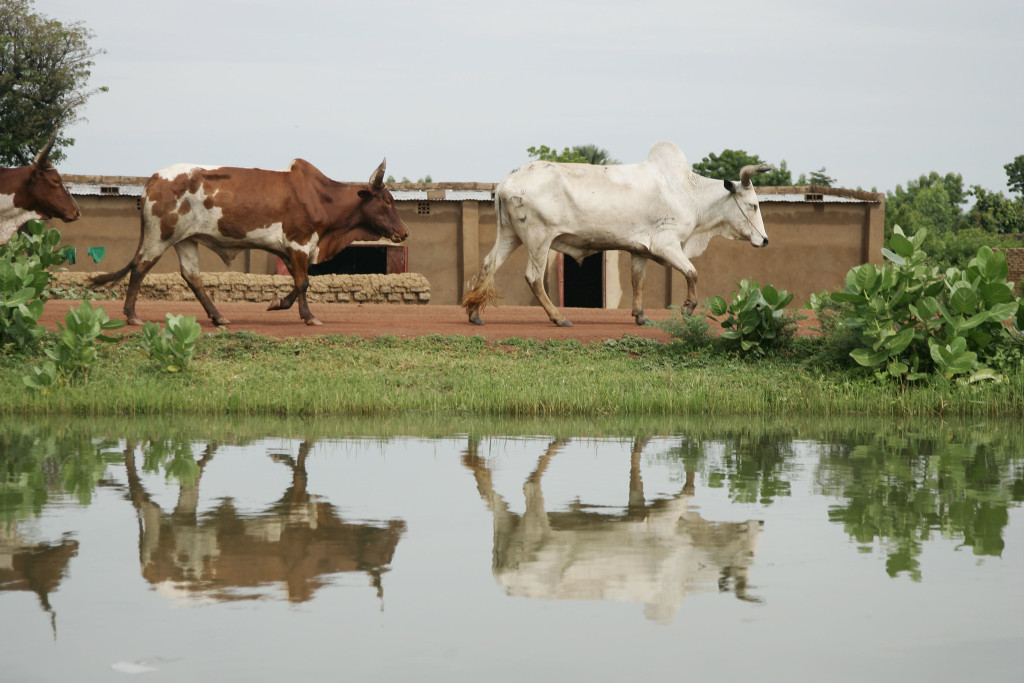
Cows walk along an irrigation canal in Niolo, Mali (photo credit: ILRI/Stevie Mann).

As part of a special COVID-19 series by the International Food Policy Research Institute (IFPRI), Bernard Bett and Delia Randolph of the International Livestock Research Institute (ILRI) and John McDermott of IFPRI write on the growing risk in Africa of pathogens that spread from animals to people and how we can learn from past epidemics to improve preparedness and response.

In their article, the scientists discuss the evolving patterns of emergence and spread of zoonotic pathogens, factors that might influence the spread of emerging zoonotic pathogens and the opportunities for controlling emerging infectious diseases in Africa.

They write: “The record thus far on COVID-19 and on past disease outbreaks shows that early, effective and sustained response is essential to winning the battle over these diseases. Innovative use of information and communication tools and platforms and engagement of local communities are crucial to improved disease surveillance and effective response. Building these…

View original post 89 more words

Posted in Poverty, Hunger, Malnutrition | Leave a comment

Food Security and Nutrition: Building a global narrative towards 2030 (NEW REPORT)

FoodGovernance's avatarFood Governance

The latest report of the High Level Panel of Experts (HLPE) on Food Security and Nutrition has just been released.

Key messages from the Report are:

i. There is an urgent need for strengthening and consolidating conceptual thinking around FSN to prioritize the right to food, to widen our understanding of food security and to adopt a food systems analytical and policy framework.

ii. FSN outcomes in recent years show the extent to which the global community is falling short on Agenda 2030 targets, especially SDG 2, and that food systems face a range of challenges – and some opportunities – linked to major trends in the drivers of food system change.

iii. Policy approaches and actions for FSN, in light of the diverse challenges
facing food systems, will require critical policy shifts and support for enabling conditions that uphold all dimensions of food security.

Download the full Report (available…

View original post 11 more words

Posted in Poverty, Hunger, Malnutrition | Leave a comment

Why the Camel Milk is Anti-Infectious or Immunity Booster?

Posted in Poverty, Hunger, Malnutrition | Leave a comment

New study sheds light on early intensification of smallholder backyard poultry farming systems

Tezira Lore's avatarAgHealth

Alpha chickens on a farm in Isiokpo, Nigeria (photo credit: ILRI/ACGG Nigeria).

Poultry production is an important contributor to the livelihoods of rural populations, especially in low- and middle-income countries. As poultry production in these countries remains dominated by backyard systems with low inputs and low outputs, considerable yield gaps exist.

Intensification of these backyard poultry farming systems can increase productivity, production and income. This process is relatively recent in low- and middle-income countries compared to high-income countries. The management practices and constraints that smallholder farmers face in scaling-up their production, in the early stages of intensification, are poorly understood and described.

To shed more light on these aspects of intensification of poultry farming in low-income settings, a team of scientists investigated the features of the small-scale commercial chicken sector in a rural area distant from major production centres. Their study findings are published in the journal Animal(24 June 2020). 

The study surveyed 111 commercial chicken farms in Kenya in 2016…

View original post 283 more words

Posted in Poverty, Hunger, Malnutrition | Leave a comment

Camel Milk and Addition of New Products to the Dairy Industry

Camel milk, in particular, is a very unique and healthy product with especially anti-allergic and anti-diabetic effects. Several studies have shown that camel milk has some therapeutic potential in both type-1 and type-2 Diabetes mellitus. – Dr Raziq

via Camel Milk and Addition of New Products to the Dairy Industry

Posted in Poverty, Hunger, Malnutrition | Leave a comment

Camel Milk Protein Posses Bioactive Peptides

“The results of a scientific study revealed that both caseins and whey proteins of camel milk possess bioactive peptides with significant radical-scavenging activities and thus herald a fascinating opportunity for their potential as nutraceuticals or therapeutic peptides for prevention and treatment of
oxidative stress-associated diseases. The link of the article is given below.” Dr Raziq

https://www.sciencedirect.com/science/article/pii/S2405654518301082?via%3Dihub

Dr Raziq Kakar's avatarNatural Health with the Camel Milk

A medicine for Oxidative Stress Releated Diseases

Understanding about camel milk is increasing and the latest studies are coming with very appealing results. A study about the milk proteins (Casein and whey) revealed that the unique bioactive peptides of the camel milk works as a medicine for the oxidative stress associated diseases.

Ice cream made from camel milk

Study Published in the Journal of Animal Nutrition

The results of a scientific study revealed that both caseins and whey proteins of camel milk possess bioactive peptides with significant radical-scavenging activities and thus herald a fascinating opportunity for their potential as nutraceuticals or therapeutic peptides for prevention and treatment of
oxidative stress-associated diseases. The link of the article is given below. https://www.sciencedirect.com/science/article/pii/S2405654518301082?via%3Dihub

The author is advocating camel milk with the theme of camel4life and sharing the happenings in the camels’ world. This piece is just a small step to aware the masses…

View original post 40 more words

Posted in Poverty, Hunger, Malnutrition | Leave a comment

Food safety: How can consumers make a difference?

A food safety project in Ethiopia is exploring how consumer demand can contribute towards improving food safety in the country’s informal markets.

Food safety: How can consumers make a difference?
Posted in Poverty, Hunger, Malnutrition | Leave a comment

Food safety: How can consumers make a difference?

A food safety project in Ethiopia is exploring how consumer demand can contribute towards improving food safety in the country’s informal markets.

Food safety: How can consumers make a difference?
Posted in Poverty, Hunger, Malnutrition | Leave a comment

Food safety: How can consumers make a difference?

Tezira Lore's avatarAgHealth

Fruit and vegetables on sale alongside other food items in a local market in Addis Ababa, Ethiopia (photo credit: ILRI/Geraldine Klarenberg).

African food systems are dominated by informal markets, typically open-air markets found at designated sites and street corners, which often have poor hygiene and are subject to limited or poor regulation. Occasionally there are calls for these informal markets to be banned, but most consumers depend on them as they are more accessible and affordable than formal markets.

As we celebrate World Food Safety Day on 7 June 2020, it is crucial that governments recognize the importance of better food safety in informal markets. One way to encourage them to take food safety seriously is by harnessing the power of consumer demand.

Foodborne diseases cause a massive health burden and remain a persistent impediment to socio-economic development. The World Health Organization estimates that close to 600 million people fall ill and 420,000 die every year from foodborne diseases worldwide. Children under five years of age make up 125,000 of those…

View original post 586 more words

Posted in Poverty, Hunger, Malnutrition | Leave a comment

EU Farm to Fork Strategy: Collective response from food sovereignty scholars

Despite the fact that “F2F Strategy does not go far enough to ensuring diverse, sustainable and just food systems for all in the EU” Retallack (2013) was of the opinion that “Emerging evidence indicates that holistic management, aligned with agroecological principles, has a number of positive environmental impacts, including soil regeneration and carbon sequestration, fire prevention and biodiversity increases.”

Retallack, G. (2013) ‘Global Cooling by Grassland Soils of the Geological Past and Near Future’ in Annu. Rev. Earth Planet. Sci.

FoodGovernance's avatarFood Governance

On 20 May 2020 the European Commission (EC) released its new Farm to Fork (F2F) Strategy for a fair, healthy and environmentally-friendly food system. As scholars committed to supporting sustainable food system transformation, we commend the EC for delivering a  longer term vision, and proposing the development of a legislative framework for sustainable food systems by 2023. Binding mechanisms and coherent, integrated rights-based legislative frameworks are fundamental to ensuring compliance and meeting the proposed targets. We acknowledge that the F2F Strategy contains many positive points, but are deeply concerned that these remain embedded in an outdated framework.

The evidence overwhelmingly points to a need to move beyond the (green) economic growth paradigm. This paradigm, reified by the European Green Deal, perpetuates unsustainable lock-ins and entrenched inequalities. The Scientific Advice Mechanism[1] recently advised the EC to stop treating food as a commodity and start thinking about the implications of seeing food…

View original post 4,028 more words

Posted in Poverty, Hunger, Malnutrition | Leave a comment

EU Farm to Fork Strategy: Collective response from food sovereignty scholarsby foodgovernance

https://widgets.wp.com/likes/index.html?ver=20190321#

Despite the fact that “F2F Strategy does not go far enough to ensuring diverse, sustainable and just food systems for all in the EU”

According to Retallack (2013) “Emerging evidence indicates that holistic management, aligned with agroecological principles, has a number of positive environmental impacts, including soil regeneration and carbon sequestration, fire prevention and biodiversity increases.”

Retallack, G. (2013) ‘Global Cooling by Grassland Soils of the Geological Past and Near Future’ in Annu. Rev. Earth Planet. Sci.

Posted in Poverty, Hunger, Malnutrition | Leave a comment

How planting a garden can boost bees, local food and resilience during the coronavirus crisis… #Covid19 #nutritionalsecurity

With the arrival of spring, many people have been starting to think about how COVID-19 will impact the affordability and availability of fruits and vegetables in coming months, as shortages of both honeybees and migrant workers threaten crop pollination and the food that comes with it. The current global pandemic has highlighted the many ways our agricultural systems are […]

How planting a garden can boost bees, local food and resilience during the coronavirus crisis
Posted in Poverty, Hunger, Malnutrition | Leave a comment