New investments in agriculture likely to fail without sharp focus on small-scale ‘mixed’ farmers

ILRI Communications's avatarILRI Clippings

A new paper published today in Science warns that billions of dollars promised to fund programs to boost small-scale agriculture in developing countries are unlikely to succeed in feeding the world’s increasing populations. This is due not only to increasing populations and changing environments, but also to little “intellectual commitment” to the ubiquitous small-scale “mixed” farmers who raise both crops and animals and are the source of much of today’s food supply and economic development.

The authors, who include scientists from the International Livestock Research Institute (ILRI), the International Food Policy Research Institute (IFPRI), and the International Water Management Institute (IWMI) of the Consultative Group on International Agricultural Research (CGIAR) and the World Bank, urge wealthy countries, which pledged US$20 billion for developing-country agriculture at the G8 summit in Italy last year, to look beyond “business as usual” investments.

“In most regions of the world, farming systems are under intense…

View original post 140 more words

Posted in Uncategorized | Leave a comment

On making the livestock sector more efficient, equitable and sustainable–Francois Le Gall, Livestock Global Alliance

Susan MacMillan's avatarILRI Clippings

Jean Dubuffet, Vache aux deux arbres, 1943.

The following opinion piece by World Bank advisor François Le Gall was published recently on the launch of an advocacy brief by an alliance of leading organizations in global livestock issues. Chaired by Le Gall, the Livestock Global Alliance aims to bring the often overlooked livestock sector to the forefront of solutions to global development challenges such as food security, health, economic growth and climate change. The Livestock Global Alliance unites the Food and Agriculture Organization of the United Nations (FAO), the International Fund for Agricultural Development (IFAD), the International Livestock Research Institute (ILRI), the World Organisation for Animal Health (OIE), and World Bank Group.

Making the livestock sector more efficient, equitable and sustainable will only work if interventions are tailored to this great diversity.
François Le Gall, Livestock Global Alliance

‘. . . I chair the Livestock Global Alliance

View original post 761 more words

Posted in Uncategorized | Leave a comment

Camel Journey ~ From its Original Habitat to Modern World

Dr Raziq Kakar's avatarNatural Health with the Camel Milk

Camel role is incredible in its cradle of domestication and its original habitats. In 19th Century some camels were transported to USA, Australia, and some other places for work and armies. After automobile revolution the role of camel as beast of burden was gradually diminished 1,2.

In Australia there are thousands of feral camels, now it’s estimated a million, roaming across Australian deserts but unfortunately considered as pest. Government launches project to kill camel (considering as pest) and save the scarce water resources in the region 3. Many friends from Australia and other parts of the world (including the author) raised voice to halt such killing which results in wastage of such a unique resource . The camel activists gave many good arguments/suggestions to save feral camel; a tool to adapt with the climate change and judiciously use of the scattered bushy vegetation of the region 4

View original post 203 more words

Posted in Uncategorized | Leave a comment

Foreign investment in African Agriculture: the role of China and Brazil – seminar

Dirk Roep's avatarRural Sociology Wageningen University

The sub-department Sociology & Anthropology of Development of the Social Sciences department of Wageningen University invited two key note speakers for a seminar on Foreign Investment in African Agriculture: Prof. Kojo Amanor (University of Ghana) and Prof. Sergio Schneider  (University Rio Grande do Sul, Brazil). The two speakers will specifically highlight the role of China and Brazil.

Prof. Kojo Amanor will present an overview of foreign investments in the agricultural sector in Africa. A specific focus will be on investments from BRIC countries, notably from China and Brazil. Prof. Amanor will debate the new roles of China and Brazil in the context of their own political economies, and wider global trends of geopolitical restructuring. Prof. Amanor has published widely on African Agriculture and co-edited a Special Issue of World Development (Vol. 18, 2016) on foreign invest-ment in African agriculture.

Prof. Sergio Schneider will present an analysis of whether and how…

View original post 47 more words

Posted in Uncategorized | Leave a comment

Zoonotic diseases featured during UNEP Science-Policy Forum

Tezira Lore's avatarAgHealth

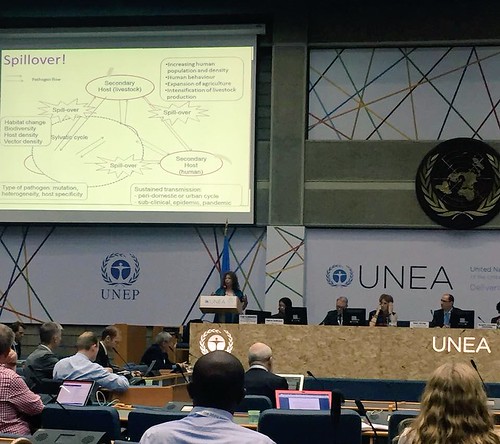
Delia Grace presents on zoonotic diseases, UNEP Nairobi, 20 May 2016 ILRI veterinary epidemiologist Delia Grace presenting at the United Nations Environment Programme (UNEP) Science-Policy Forum that preceded the second session of the United Nations Environment Assembly (UNEA-2), on 20 May 2016 (photo credit: ILRI).

The United Nations Environment Programme (UNEP) held its first global Science-Policy Forum in Nairobi, Kenya on 19-20 May 2016 as part of the overall programme of the second session of the United Nations Environment Assembly (UNEA-2) held on 23-27 May 2016.

The forum offered a platform to the science community to engage with policymakers and civil society stakeholders on the science and knowledge needed to support informed decision-making to deliver on the environmental dimension of the 2030 Agenda for Sustainable Development.

Delia Grace, a veterinary epidemiologist at the International Livestock Research Institute (ILRI), took part in the forum as a panellist for the launch of the UNEP Frontiers 2016 report

View original post 103 more words

Posted in Uncategorized | Leave a comment

A challenge for development organizations combating hunger and poverty

Willem Van Cotthem's avatarDESERTIFICATION

Photo credit: IPS NEWS

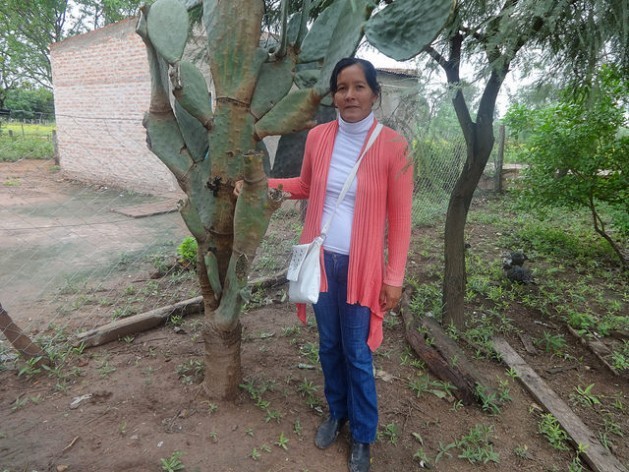
Marta Maldonado, secretary of the “Siempre Unidos Minifundios de Corzuela” association, standing next to a prickly pear, a cactus that is abundant in this municipality in the northern Argentine province of Chaco. Making use of the fruit and the leaves of the plant has changed the lives of a group of local families. Credit: Fabiana Frayssinet/IPS

Prickly Pears Drive Local Development in Northern Argentina

Success story to be copied all over the world’s drylands

By Fabiana Frayssinet

Family farmers in the northern Argentine province of Chaco are gaining a new appreciation of the common prickly pear cactus, which is now driving a new kind of local development.

View original post 223 more words

Posted in Uncategorized | Leave a comment

Regional Believes About the Usage of Camels’ Milk

Dr Raziq Kakar's avatarNatural Health with the Camel Milk

IMG_20160423_100346 Sind Desi camels of rural Sind, potential dairy animal

While searching around in the google and my long contacts with the camel people, I came to compile this small table to document the usage of camel milk for different health aspects. I would like if any one would like to add their perspectives regarding the precious camel milk.

IMG_20160423_090837 Picture provided by Mukarab Khan from Sind camel Fair,,Sakrai breed

No.Type of communityUse for
1Arab BedouinsHepatitis, Aphrodisiac, Anti-aging
2Afghan Nomadis/KochisArthritis, Long bone pain (badi dard), strong bones
3Baloch of BalochistanGood eye sight, anti-aging, strong bodycropped-dsc003151.jpg
South Asian (deserts)Diabetes, good eye sight, liver disease and arthritis, jaundice and piles
4Kazak, Russians, Mongols and UyghurTo halt weakness and emaciation among kids and other groups, to keep body strong and alert, kidney diseases
5Iranian PastoralistsStrength, arthritis, hepatitis
6Pastoralists of Horn of Africa

View original post 39 more words

Posted in Uncategorized | 1 Comment

Development as everyone’s problem—World Bank eliminates ‘developing country’ from its data vocabulary

Susan MacMillan's avatarILRI Clippings

4Chickens_ByAnnieLane_ViaEtsy

Illustration by Annie Lane via Etsy.

‘In the 2016 edition of its World Development Indicators, the World Bank has made a big choice: It’s no longer distinguishing between “developed” countries and “developing” ones in the presentation of its data.

‘The change marks an evolution in thinking about the geographic distribution of poverty and prosperity. But it sounds less radical when you consider that nobody has ever agreed on a definition for these terms in the first place.

‘The International Monetary Fund says its own distinction between advanced and emerging market economies “is not based on strict criteria, economic or otherwise.” The United Nations doesn’t have an official definition of a developing country, despite slapping the label on 159 nations. And the World Bank itself had previously simply lumped countries in the bottom two-thirds of gross national income (GNI) into the category, but even that comparatively strict cut-off wasn’t very useful…

View original post 162 more words

Posted in Uncategorized | Leave a comment

To end hunger in Africa by 2025

Willem Van Cotthem's avatarDESERTIFICATION

Photocredit: SciDevNet – Copyright: Jackie Opara

Initiative to end hunger in Africa by 2025 launched

by Jackie Opara

“What TAAT will be doing is providing a bigger platform [and] technology with a market focus.” – Sidi Sanyang, AfricaRice

Speed read

  • The initiative targets priority areas such as cassava, rice and fish farming
  • It aims to impact the livelihoods of smallholders through existing technologies
  • Experts call for policies that could create enabling environments for farmers

A major initiative aimed at transforming the agricultural sector to aid food sufficiency in Africa has been launched.

The initiative known as Technologies for African Agricultural Transformation (TAAT) is focusing on eight priority areas — self-sufficiency in rice, intensification of cassava, food security in the Sahel, transforming savannas as a breadbasket, restoring tree plantations, expanding horticulture, increasing wheat production and expanded fish farming.

It is being spearheaded by the African Development Bank (AfDB) and the International Institute…

View original post 71 more words

Posted in Uncategorized | 1 Comment

Study Found Camel Milk Helps in Halting Diabetes

Dr Raziq Kakar's avatarNatural Health with the Camel Milk

Camel milk has been shown, to be effective in reducing the level of glycosylated or glycated haemoglobin in the blood. This is haemoglobin to which glucose is attached, and is typically found at high levels in people with diabetes. Camel milk can therefore be used to reduce the dose of insulin that diabetes patients require. “This is because camel milk has been shown to contain an insulin-like molecule,” said Dr Dubey. “Diabetes is a disease in which the therapeutic potential of camel milk can be maximally utilised. It has well-observed clinical benefits.” It is no wonder then that, as the authors of the review note, epidemiological surveys indicate that there is a low prevalence of diabetes in communities where camel milk is consumed.camel milk

The report of the study published in the National News paper;

http://www.thenational.ae/uae/science/how-camel-milk-could-be-better-for-you-than-anyone-imagined#page1

Before the release of this study, author reported that camel milk is good for diabetes patients. The link…

View original post 195 more words

Posted in Uncategorized | Leave a comment

Supplying the demand: growing food for growing cities.

canwefeedtheworld's avatarOne Billion Hungry: Can We Feed the World?

By Alice Marks

Haiti earthquake: one year later Credit, FAO

On April 26th 2016 The Chicago Council on Global Affairs released their new report, Growing Food for Growing Cities: Transforming food systems in an urbanizing world, as part of their Global Food Security Symposium in Washington, DC. According to UN figures, two-thirds of the global population is expected to live in urban areas by 2050, and this report looks at how such rapid urbanisation is changing the structure and functionality of the entire global food system, from the source of inputs to the farm and on to the consumer.

With urbanisation and the accompanying expansion of urban middle classes comes a shift in dietary expectations and demands. Traditional staple diets such as cereals, roots and pulses are increasingly supplemented with a wide variety of higher-value foods such as fresh fruit and vegetables, or meat and dairy products. For example, in some African…

View original post 716 more words

Posted in Uncategorized | Leave a comment

Reflections on food safety and risk perception

Tezira Lore's avatarAgHealth

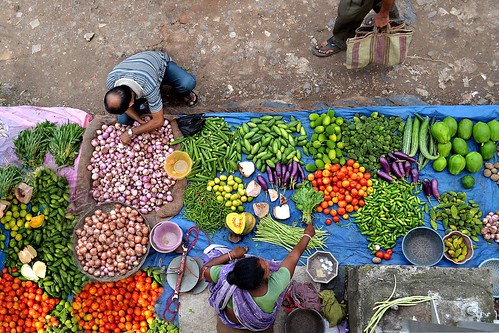
Bird's-eye view of a colorful market Bird’s-eye view of a colourful food market in Western Bengal, where 70% of people depend on agriculture (photo credit: Krishnasis Ghosh/Bioversity International).

In a recent blog post (11 April) published by the Global Panel on Agriculture and Food Systems for Nutrition, Delia Grace, a food safety expert at the International Livestock Research Institute (ILRI), discusses food safety and the psychology of risk perception.

She notes that when it comes to food safety, what consumers perceive to be risky and what experts consider to be the most important risks are often not the same.

Citing the example of genetically modified foods, Grace says: “. . . there is remarkable consistency from scientists and expert bodies that genetically modified foods are safe to eat, and yet in many countries, most of the public are skeptical about them.”

The blog post, Healthier food supply: what you worry about and what makes you…

View original post 82 more words

Posted in Uncategorized | 2 Comments

The Desert’s Livestock Species Have Tremendous Potential for Milk Produciton

Posted in Uncategorized | 1 Comment

Grain legume crop improvement to support increased productivity in crop-livestock systems

Peter Ballantyne (ILRI)'s avatarCGIAR Research Program on Livestock and Fish

This week, the International Conference on Pulses for Health, Nutrition and Sustainable Agriculture in Drylands takes place in Morocco. ILRI and ICARDA scientists from the Livestock and Fish program are sharing experiences on the opportunities and limitations of multidimensional crop improvement in grain legumes to support increased productivity in mixed crop-livestock systems.

While rising demand for animal-source food (ASF) in emerging and developing countries increases feed demand, the shrinking natural resources base, particularly arable land and water limit feed production.

Crop residues as feed resources have thus become more important and more valuable; in some cases the haulms are more valuable than the grains. Crop breeders and livestock nutritionists are exploring opportunities and limitations to improve crop residue quantity and fodder quality at source through multidimensional crop improvement.

The presentation presents findings on crop species and crop cultivar variations in grain and haulm yield, haulm fodder quality and possible trade-offs…

View original post 165 more words

Posted in Uncategorized | Leave a comment

Sustainable water management in African agriculture

canwefeedtheworld's avatarOne Billion Hungry: Can We Feed the World?

By Katrin Glatzel

Ngomene Farm Senegal June 2015 (15) Credit: Katrin Glatzel, 2015 (Senegal)

In sub-Saharan Africa (SSA) where agriculture is predominantly rainfed, farmers’ access to water is often limited based on seasonal variation. Yet water scarcity in the region is not necessarily caused by a physical lack of water, but rather by an ‘economic water scarcity’. This implies that the necessary public investments in water resources and infrastructure are not substantial enough to meet water demands in an area where people do not have the means to make use of water sources on their own. In fact, in many parts of SSA there is plenty of water available. However, groundwater resources, such as aquifers, remain a relatively abundant yet underused resource, with less than 5% of the water used for irrigation coming from groundwater.

The challenge is therefore to increase the amount of available water that is ‘harvested’ for crop growth. Such water harvesting…

View original post 662 more words

Posted in Uncategorized | Leave a comment

Growing Food for Growing Cities: Engaging the Private Sector | Chicago Council on Global Affairs

The latest post in our “Growing Food for Growing Cities” series highlights the opportunity for private sector investment in agricultural development. 

Sourced through Scoop.it from: www.thechicagocouncil.org

See on Scoop.itFood Policy, Supply, Security & Safety

Posted in Uncategorized | Leave a comment

NEW: Routledge Handbook of Food and Nutrition Security

FoodGovernance's avatarFood Governance

9781138817197The Routledge Handbook of Food and Nutrition Security has just been published.

The Handbook was edited by Bill Pritchard, Rodomiro Ortiz and Meera Shekar and includes great contributions.

Overview:
The concept of food and nutrition security has evolved and risen to the top of the international policy agenda over the last decade. Yet it is a complex and multi-faceted issue, requiring a broad and inter-disciplinary perspective for full understanding. This Handbook represents the most comprehensive compilation of our current knowledge of food and nutrition security from a global perspective. It is organized to reflect the wide scope of the contents, its four sections corresponding to the accepted current definitional frameworks prevailing in the work of multilateral agencies and mainstream scholarship.

The first section addresses the struggles and progression of ideas and debates about the subject in recent years. The other sections focus on three key themes: how food has been…

View original post 91 more words

Posted in Uncategorized | Leave a comment

NEW: Routledge Handbook of Food and Nutrition Security

FoodGovernance's avatarFood Governance

9781138817197The Routledge Handbook of Food and Nutrition Security has just been published.

The Handbook was edited by Bill Pritchard, Rodomiro Ortiz and Meera Shekar and includes great contributions.

Overview:
The concept of food and nutrition security has evolved and risen to the top of the international policy agenda over the last decade. Yet it is a complex and multi-faceted issue, requiring a broad and inter-disciplinary perspective for full understanding. This Handbook represents the most comprehensive compilation of our current knowledge of food and nutrition security from a global perspective. It is organized to reflect the wide scope of the contents, its four sections corresponding to the accepted current definitional frameworks prevailing in the work of multilateral agencies and mainstream scholarship.

The first section addresses the struggles and progression of ideas and debates about the subject in recent years. The other sections focus on three key themes: how food has been…

View original post 91 more words

Posted in Uncategorized | Leave a comment

Animal Antibiotics: The New Apocalyptic Threat?

“Without urgent, coordinated action, the world is heading towards a post-antibiotic era, in which common infections and minor injuries, which have been treatable for decades, can once again kill.”

Sourced through Scoop.it from: foodpolicyforthought.com

See on Scoop.itFood Policy, Supply, Security & Safety

Posted in Uncategorized | Leave a comment

Food prices have stabilized, but analysts see another crisis on the horizon

Spiking food prices over the past decade caused shortages, unrest, and maybe even revolutions. Now that prices have returned to normal levels, the question is whether the worst of the food crisis is over. https://www.theatlas.com/charts/N1S6s_w0l Economists and policymakers convened by the Council on Foreign Relations (CFR) don’t think so. A majority believe that prices will spike agai

Sourced through Scoop.it from: qz.com

See on Scoop.itFood Policy, Supply, Security & Safety

Posted in Uncategorized | Leave a comment

Can Agribusiness Reinvent Itself to Capture the Future?

Agribusiness is on the verge of dramatic change. But across the industry, many companies have barely scratched the surface in their efforts to boost yields, improve supply chain efficiencies or increase value-added activities.

Sourced through Scoop.it from: www.bain.com

See on Scoop.itFood Policy, Supply, Security & Safety

Posted in Uncategorized | Leave a comment

“We have a lot of work ahead” – IFPRI’s 2016 Global Food Policy Repot

canwefeedtheworld's avatarOne Billion Hungry: Can We Feed the World?

By Alice Marks

IFPRI reportclick to view report

On March 31st the International Food Policy Research Institute (IFPRI) published the 2016 Global Food Policy Report. The report highlights the scale of the challenged faced by the global food system, including that 1/3 of people in the world are malnourished, nearly a billion people go to bed hungry each day, and environmental degradation and climate change will only exacerbate these problems by making global food markets increasingly unstable.

In a previous blog series (part 1/part 2) agriculture’s role in underpinning all of the Sustainable Development Goals (SDGs) was explored. Ahead of the launch of the new report, IFPRI’s director Shenggen Fan explained that to meet the SDG’s by 2030 “We have a lot of work ahead. We must promote and support a new global food system that is efficient, inclusive, climate-smart, sustainable, nutrition- and health-driven, and…

View original post 714 more words

Posted in Uncategorized | Leave a comment

Writeshop to synthesize Livestock and Fish experiences mainstreaming gender

Peter Ballantyne (ILRI)'s avatarCGIAR Research Program on Livestock and Fish

Women clean fish to provide nutritious food

From 4-8 April 2016, the program’s gender initiative is convening a writeshop of scientists and gender specialists to bring together results and lessons learned in the past 18 months.

Thirteen ’coached’ projects are participating, drawn from all the program’s flagships, CGIAR partners and several countries.

  • Mapping gender dimensions: towards gender sensitive geographical targeting and scaling out
  • Evaluating best-bet intervention in contrasting L&F value chains in sub Saharan Africa in a gender differentiated manner: from household to intra household level patterns
  • A methodological framework for the collection and analysis of producer level gender-disaggregated value-chain data
  • Differential gender impacts of animal diseases in small ruminant production in Ethiopia
  • Gender dimensions of pig management in the smallholder pig production systems in Uganda: case of control of African Swine Fever
  • Mainstreaming gender in feed and fodder interventions in “MoreMilkIT” sites in Tanzania
  • Engendering FEAST – the feed…

View original post 146 more words

Posted in Uncategorized | Leave a comment

1000 Young Nigerians to Receive N500million Naira Grant for Start Ups

APO's avatarDatabase of Press Releases related to Africa - APO-Source

Over 1000 Nigerians will this year be beneficiaries of N500Million Naira Grant seed capital set aside for young Nigerian entrepreneurs and students. This was disclosed today during the launch of the YESGrant Scheme (www.YESGrant.com) by the Nigerian Young Professionals Forum (NYPF) (http://www. NYPForum.org) in partnership with Heritage Bank, which took place at the Four Point Hotel in Lagos, Nigeria.… Read more on http://africa-newsroom.com/press/1000-young-nigerians-to-receive-n500million-naira-grant-for-start-ups?lang=en

View original post

Posted in Uncategorized | Leave a comment

International Women’s Day 2016: What issues are central to agricultural development for women?

mercybecon's avatarILRI policies, instititions and livelihoods program

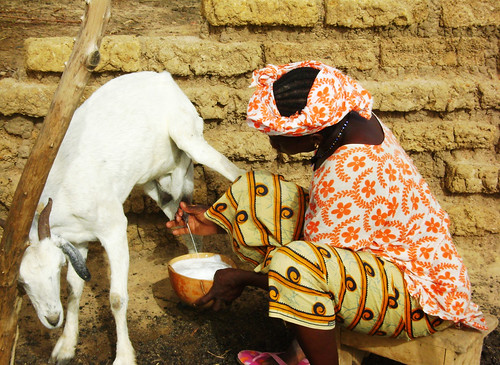
A woman milks one of her goats in Ségou District, Mali A woman milking her goat

Gender equality is an essential component for sustainable economic development. This year, the International Women’s Day (IWD) sparked a variety of discussions about climate change, livestock and gender in ensuring food security, improved nutrition and generating income at the household, national and international levels.

Empowering rural women, especially in Africa, is vital to enabling poor and vulnerable people to improve their livelihoods, increase their household incomes, overcome poverty and build resilience to impacts of climate change. However, social and economic inequalities between men and women continue to undermine food and nutrition security and thus negatively affect economic and agricultural growth.

In 2015, the world witnessed two critical global agreements – the Sustainable Development Goals (SDGs) and Paris Climate Agreement. Both agreements emphasize the need to enhance gender equality while developing response measures to address climate change, reduce food insecurity and improve nutrition. Now, most countries…

View original post 205 more words

Posted in Uncategorized | Leave a comment

Youth, the Future of Family Farming

Oluwabunmi Ajilore's avatarEcoagriculturist

Involving Youth in Foresight Activities

It was the first day of June in the serene and sunny – but slightly windy – city of Montpellier, and from all around the world researchers and academics in the fields of agriculture and family farming were gathered: experts in international development, decision makers, NGOs, as well as farmers organizations’ and private sector representatives. The stage had been set for the “International Encounters on Family Farming and Research”.

The “Encounters” had been organized as part of the International Year of Family Farming, declared by the United Nations for 2014 by research institutions of Montpellier hub – Agropolis International – in collaboration with international partners like the CGIAR Consortium, the Global Forum for Agricultural Research (GFAR) and the World Rural Forum (WRF). With the support of the Government of France, the aim of the conference was to foster exchanges between all stakeholders and…

View original post 779 more words

Posted in Uncategorized | Leave a comment

ILRI biosciences hub and vaccine development named global public goods by heads of BMGF and DFID

This is an excellent example of the benefits that livestock vaccines can have on infectious diseases that promote poverty.
Many tropical and sub-tropical animal diseases, such as African swine fever, have no vaccines to protect stock against illness and untimely death. And those livestock vaccines that do exist are often sub-optimal.
Research to improve current livestock vaccines or to develop new ones remains critical to reducing world poverty, hunger and malnutrition. The benefits for poor people, for whom livestock are often the most important household asset, remain as huge as ever.
—Vish Nene, leader of ILRI’s Vaccine Biosciences program

Susan MacMillan's avatarILRI Clippings

Collage_Desmond-HellmannAndHurd

Sue Desmond-Hellmann, CEO of the Bill & Melinda Gates Foundation (BMGF), and Nick Hurd, international development minister for Britain’s Department for International Development (DFID).

Sue Desmond-Hellmann, CEO of the Bill & Melinda Gates Foundation (BMGF), and Nick Hurd, international development minister for Britain’s Department for International Development (DFID), argue in the Guardian’s Global Development site this month that the world needs to put science at the heart of development.

The following two of the examples of success that they cite are initiatives of the International Livestock Research Institute (ILRI).

GALVmed: ILRI is a major partner of the Global Alliance for Livestock Veterinary Medicines (GALVmed) that BMGF and DFID support. Through GALVmed, ILRI is helping to give poor livestock-keeping communities in Africa access to a vaccine against the lethal cattle disease known as East Coast fever…

View original post 662 more words

Posted in Uncategorized | Leave a comment

To reduce greenhouse gases from cows and sheep, we need to look at the big picture

Farming livestock contributes around 6 billion tonnes of greenhouse gases to the atmosphere each year. While estimates vary, this could represent up to 18% of globa

Sourced through Scoop.it from: www.bizcommunity.com

See on Scoop.itAgriculture, Climate & Food security

Posted in Uncategorized | Leave a comment

Agriculture as an investment vehicle

For all sorts of reasons, therefore, it’s time for farmers to look at the work they do as a type of investment vehicle.”

Sourced through Scoop.it from: www.bizcommunity.com

See on Scoop.itFood Policy, Supply, Security & Safety

Posted in Uncategorized | Leave a comment

Florida and ILRI start consultations on new ‘Feed the Future Innovation Lab for Livestock Systems’

Ewen Le Borgne's avatarILRI news

The United States Agency for International Development (USAID) granted the University of Florida USD49 million to develop a Feed the Future Innovation Lab for Livestock Systems, one of 24 such initiatives federated under Feed the Future, the US government’s global hunger and food security initiative.

Feed the Future Innovation Labs and US University hosts (image credit: Feed the Future)Feed the Future innovation labs and US university hosts (image credit: Feed the Future).

To increase productivity and incomes and to improve nutrition and food safety, the Feed the Future Innovation Lab for Livestock Systems aims to sustainably intensify smallholder livestock systems through research, technology applications, capacity building and co-production of knowledge.

Research at the Feed the Future Innovation Lab for Livestock Systems is organized by areas of inquiry and cross-cutting themes.

Areas of inquiry:

  • future livestock systems
  • animal-source foods production and marketing
  • livestock disease management and food safety
  • enabling policies for livestock

Cross-cutting themes:

  • role of gender in livestock systems…

View original post 326 more words

Posted in Uncategorized | Leave a comment

ROLE OF AGRICULTURAL BIOTECHNOLOGY IN DEVELOPING ECONOMIES 2

Posted in Uncategorized | Leave a comment

3 ways agri-businesses can be drivers of equality

Sourced through Scoop.it from: www.devex.com

See on Scoop.itFood Policy, Supply, Security & Safety

Posted in Uncategorized | Leave a comment

Global governance for ecologically integrated food security policy

FoodGovernance's avatarFood Governance

Next week (March 22) I will be speaking in Paris at INRA for a workshop on Food Security and Democracy. The title of my talk is Global governance for ecologically integrated food security policies: Reflections on reflexive governance  but if all goes well in the next week, I plan to use the talk to present some of my thinking on justice in global governance. More specifically, when I say I want to understand how we can design governance arrangement to support pathways to just and sustainable food futures, how can we start to qualify “just”.

Programme:

10h30 – 12h, Jessica Duncan (Rural Sociology, Wageningen University), Global governance for ecologically integrated food security policies: Reflections on reflexive governance

13h30 – 15h, Delphine Thivet (CMH, EHESS, Paris), Politiques agricoles et droits des paysannes : retour sur l’émergence de la notion de “souveraineté alimentaire”

15h30 – 17h, Nora McKeon (Rome…

View original post 33 more words

Posted in Uncategorized | Leave a comment

Coconut oil: Is it a ‘miracle’ food?

Coconut oil has been said to cause weight loss, protect against cancer and heart disease, and even slow down or prevent dementia. Here’s what the studies actually say.

Sourced through Scoop.it from: www.cbc.ca

The wild claims are based on small studies. The jury is still out, but as long as you don’t expect miracles, this delicious oil can play a small role in your diet.

See on Scoop.itPoverty, Hunger & Malnutrition

Posted in Uncategorized | Leave a comment

Is Feeding Your Child Organic Food Enough to Reduce the Pesticides in Her Body? | Civil Eats

A new study could shed light on whether an organic diet helps to decrease pesticide exposure among young children.

Sourced through Scoop.it from: civileats.com

A good reminder that we live in complex ecosystems. Directly ingesting pesticides in the food we eat is only one way we absorb the thousands of chemicals in our environments.

See on Scoop.itFood Policy, Supply, Security & Safety

Posted in Uncategorized | Leave a comment

Despite New Rule on Livestock Antibiotics, Infection Risks Still Plague Workers, Communities

Massive amounts of medicine continue to circulate through our food system. The issue of antibiotic resistance isn’t about medicines or animals, but about the relationship between people and what we eat.

Sourced through Scoop.it from: www.huffingtonpost.com

See on Scoop.itFood Policy, Supply, Security & Safety

Posted in Uncategorized | Leave a comment

Food security and sustainable farming are two sides of the same coin

Food security is a complex socio-economic issue, intricately linked to human health and sustainable economic development.

Sourced through Scoop.it from: www.business-standard.com

See on Scoop.itFood Policy, Supply, Security & Safety

Posted in Uncategorized | Leave a comment

Special Issue: Roots to Global Food Security

Special Issue: Roots to Global Food Security

Sourced through Scoop.it from: jxb.oxfordjournals.org

See on Scoop.itFood Policy, Supply, Security & Safety

Posted in Uncategorized | Leave a comment

Organic Meat and Milk Higher in Healthful Fatty Acids

The question of whether differences in some nutrients compared with conventionally produced food are likely to translate to better health is disputed.

Sourced through Scoop.it from: well.blogs.nytimes.com

See on Scoop.itFood Policy, Supply, Security & Safety

Posted in Uncategorized | Leave a comment

How antibiotics in our food system affect your health

More than 70% of antibiotics sold in the U.S. are for food production animals.

Sourced through Scoop.it from: money.cnn.com

See on Scoop.itFood Policy, Supply, Security & Safety

Posted in Uncategorized | Leave a comment

Most Urban Farmers Aren’t Making a Living

The strong social mission of most urban farms might not be enough for longterm viability, a study suggests.

Sourced through Scoop.it from: www.citylab.com

See on Scoop.itPrecision Agriculture

Posted in Uncategorized | Leave a comment

Guest Commentary – Helping Cities Cope by Boosting Agriculture | Chicago Council on Global Affairs

Sourced through Scoop.it from: www.thechicagocouncil.org

See on Scoop.itFood Policy, Supply, Security & Safety

Posted in Uncategorized | Leave a comment

Guest Commentary – Urbanization, Food Security, and Youth Employment | Chicago Council on Global Affairs

 
Many youth migrate seasonally, and return home again to help with planting or harvest. When they migrate for wage jobs, they send remittances that help rural families’ food security. The remittances and increased skills brought back to rural areas through youth migration fuel positive impacts on poverty reduction and food security. We have to accept that migration is inevitable, whether temporary or permanent.

Sourced through Scoop.it from: www.thechicagocouncil.org

See on Scoop.itFood Policy, Supply, Security & Safety

Posted in Uncategorized | Leave a comment

Access to Seeds – why seed companies need to bridge the gap to reach smallholder farmers

Sourced through Scoop.it from: www.bioversityinternational.org

See on Scoop.itFood Policy, Supply, Security & Safety

Posted in Uncategorized | Leave a comment

Using online proctoring for eLearning courses at ILRI

ILRI Communications's avatarILRI Clippings

What if you could be guaranteed that participants would come to your workshop having already mastered the basic content knowledge of your topic area? Think about the possibilities! You would be free to challenge them to apply that knowledge to a range of professional problem scenarios. After all, learning theory tells us that good learning is contextual. Think of the invigorating discussions that would unfold.

Instead, the current status quo has you spending the first few days of valuable face-to-face time lecturing participants about content with which many of them are already familiar, at least to some extent.

Workshops attended by informed professionals ready to explore how new knowledge and technologies can be applied in their own professional contexts. This is the scenario that ILRI’s capacity development unit is trying to make a reality by creating online modules to cover basic knowledge objectives. The intent is that participants will…

View original post 348 more words

Posted in Uncategorized | Leave a comment

70 outstanding African women agricultural scientists

Willem Van Cotthem's avatarDESERTIFICATION

Photo credit: Agro Nigeria

Rising to the Challenge! 2015 AWARD Fellowship Winners Set to Impact Smallholders in the Year of Women’s Empowerment

by Cynthia

EXCERPT

http://spectacles.com.ng/wp-content/uploads/2014/07/African-Women-in-Agricultural-Research-and-Development-AWARD-Call-for-applications-2015-702x272.jpg http://spectacles.com.ng/wp-content/uploads/2014/07/African-Women-in-Agricultural-Research-and-Development-AWARD-Call-for-applications-2015-702×272.jpg

70 outstanding African women agricultural scientists from 11 countries have been chosen as the winners of the 2015 African Women in Agricultural Research and Development – AWARD fellowship in NAIROBI, Kenya.

Dr. Hawa  Abdi - http://www.bet.com/topics/d/dr-hawa-abdi/_jcr_content/topicintro.topicintro.dimg/101112-shows-bgr-timeline-Dr-Hawa-Abdi.jpg Dr. Hawa Abdi – http://www.bet.com/topics/d/dr-hawa-abdi/_jcr_content/topicintro.topicintro.dimg/101112-shows-bgr-timeline-Dr-Hawa-Abdi.jpg

“Agricultural research and development in Mozambique is an important tool for increasing production, and consequently reducing household malnutrition and poverty, particularly in children and women,” says Olivia Narciso Pedro, a lecturer and researcher at the Eduardo Mondlane University in Maputo, Mozambique. “My vision for agriculture-led growth in Mozambique is to design alternatives to mitigate loss of genetic diversity, and ensure conservation of species, while improving household food security.”

2015 AWARD Fellowship Laureates from left: Juliana Mandha (Tanzania), Ifeoluwa Olotu (Nigeria) and Ngozi Edoh (Nigeria), attending the Mentoring Orientation  - http://awakeafrica.org/wp-content/uploads/2015/02/2015-award-fellowship-laureates.jpg 2015 AWARD Fellowship Laureates from left: Juliana Mandha (Tanzania), Ifeoluwa Olotu (Nigeria) and Ngozi Edoh (Nigeria), attending the Mentoring Orientation –…

View original post 122 more words

Posted in Uncategorized | Leave a comment

Agroforestry and the IDP

Willem Van Cotthem's avatarDESERTIFICATION

Agroforestry could give Nigeria’s IDPs a new future

Internally displaced people (IDP) in northeast Nigeria need to be given alternative livelihoods, such as agroforestry, if they are to return to their homes, says an article in Premium Times.

Charles Reith, professor of environmental sciences with the American University of Nigeria, says allowing IDPs to return to their homes without tackling desertification would set the stage for continued conflict, both by terrorists and between herders and farmers.

He says climate change, desertification and resource scarcity are important drivers of conflict and violence. In the northeast of Nigeria, desertification has impacted the area for generations.

Reith advocates for alternatives to cropping that expose the soil to erosion, such as agroforestry to “push back desertification” and fruit-bearing trees interspersed with crops to “restore the soil, provide year-round food, and create products to sell for…

View original post 9 more words

Posted in Uncategorized | Leave a comment

African Farmers in The Digital Age

A special issue presented by The Digital Thinking Initiative

Sourced through Scoop.it from: www.foreignaffairs.com

See on Scoop.itFood Policy, Supply, Security & Safety

Posted in Uncategorized | Leave a comment

Top 8 Quotes from “African Farmers in The Digital Age: How Digital Solutions Can Enable Rural Development”

This gallery contains 4 photos.

Originally posted on One Billion Hungry: Can We Feed the World?:
“African Farmers in the Digital Age” is a special edition anthology, published in partnership with Foreign Affairs that brings together the views of twenty leading thinkers on all aspects…

More Galleries | Leave a comment

Agricultural biotechnology and development: unintended consequences and unheard voices

canwefeedtheworld's avatarOne Billion Hungry: Can We Feed the World?

  Date palm tissue culture laboratory – Picture from FAO

GM crops have once again come under the spotlight with the recent news that Burkina Faso will no longer be growing Bt cotton (a genetically modified cotton variety, which produces a pesticide to counter the insect pest bollworm). Originally an early adopter of the technology, Burkina Faso became one of the first African countries to develop and release, with Monsanto, crosses of local and Bt cotton crops in 2008. As one of Africa’s largest cotton producers, their adoption of GM technology was ground-breaking. And, at least for some time, successful, increasing cotton production, yields and profits while reducing the number of pesticide sprays needed. With some 140,000 smallholders cultivating Bt cotton, it was also seen to de driving rural development, the average Bt cotton farming family reaping 50% more profits than families growing conventional cotton.

So why the reversal? The lint…

View original post 675 more words

Posted in Uncategorized | Leave a comment

Agricultural biotechnology and development: unintended consequences and unheard voices

canwefeedtheworld's avatarOne Billion Hungry: Can We Feed the World?

  Date palm tissue culture laboratory – Picture from FAO

GM crops have once again come under the spotlight with the recent news that Burkina Faso will no longer be growing Bt cotton (a genetically modified cotton variety, which produces a pesticide to counter the insect pest bollworm). Originally an early adopter of the technology, Burkina Faso became one of the first African countries to develop and release, with Monsanto, crosses of local and Bt cotton crops in 2008. As one of Africa’s largest cotton producers, their adoption of GM technology was ground-breaking. And, at least for some time, successful, increasing cotton production, yields and profits while reducing the number of pesticide sprays needed. With some 140,000 smallholders cultivating Bt cotton, it was also seen to de driving rural development, the average Bt cotton farming family reaping 50% more profits than families growing conventional cotton.

So why the reversal? The lint…

View original post 675 more words

Posted in Uncategorized | Leave a comment

ILRI scientist to direct USAID international project to reduce post-harvest food losses

Susan MacMillan's avatarILRI Clippings

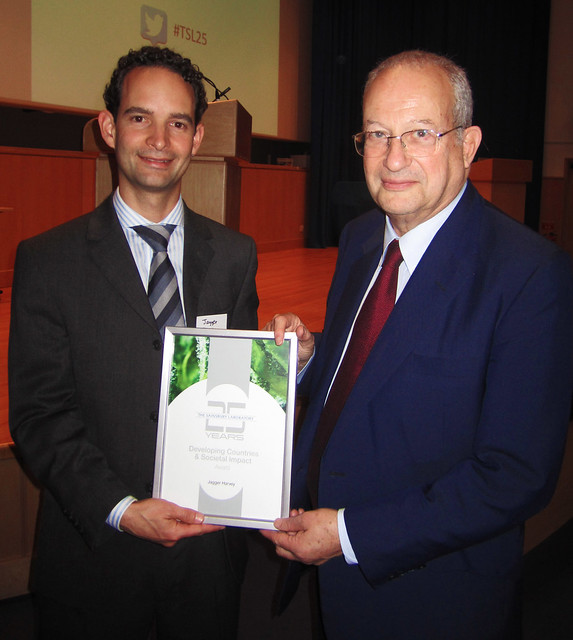
Dr Jagger Harvey meets Lord David Sainsbury in Norwich, UK where he received the Societal Impact Award by The Sainsbury Laboratory (TSL)

Jagger Harvey (left) with Lord David Sainsbury (benefactor of The Sainsbury Laboratory through the Gatsby CharitableFoundation) when receiving the Societal Impact award in Norwich, UK, in 2013 (photo credit: BecA-ILRI Hub/Susan Seal).

‘A scientist with extensive experience in addressing international food and agriculture challenges has been named the new director of a Kansas State University project to reduce postharvest loss and food waste across the world.

Jagger Harvey will lead the U.S. Agency for International Development‘s Feed the Future Innovation Lab for the Reduction of Post-Harvest Loss at the university. The $8.5 million project is helping the countries of Bangladesh, Ethiopia, Ghana and Guatemala reduce the amount of food that is lost or contaminated after harvest.

‘Also, the lab’s scientists are evaluating postharvest problems in Afghanistan that reduce the nutritional value of available food and make the country’s unique agricultural products more difficult to export.

‘Harvey will begin…

View original post 338 more words

Posted in Uncategorized | Leave a comment

Accelerating change for smallholders with digital technology

canwefeedtheworld's avatarOne Billion Hungry: Can We Feed the World?

By Alice Marks

13950908853_b4cba2cd9e_o Using drones for agriculture. Credit: Lima Pix (Flickr)

According to experts at the recent World Economic Forum in Davos, we are sitting on the edge of the Fourth Industrial Revolution. This revolution builds on the third, which was the digital revolution, and is predicted to blur the lines between the physical and digital world through innovations such as artificial intelligence, 3-D printing, nanotechnology, and the use of Big Data, which will integrate digital technologies into daily lives ever more closely. It is predicted to be exponentially fast and far reaching in its scope and impact, transforming entire production, governance and management systems in an unprecedented way. Whether this will mean “promise or peril” for humanity will likely only be clear with the benefit of hindsight, but optimists hope that it offers the opportunities to improve lives and help to eradicate poverty through improved connectivity and…

View original post 593 more words

Posted in Uncategorized | Leave a comment

Four ways digital technology is transforming farming in Africa

canwefeedtheworld's avatarOne Billion Hungry: Can We Feed the World?

ID-100128334 Photo by phanlop88

Digital technology is likely to continue to be a major driver of development and industry in Africa. The capabilities of local entrepreneurs, start-ups and businesses to provide services such as technical assistance and finance are growing significantly due to greater access to mobile and internet technology. As such digital solutions are likely to make a huge contribution to addressing local concerns, connecting people in remote areas and to reaching greater numbers of people than more traditional development initiatives. Such technologies are already transforming the way in which smallholder farmers work and interact. Here we discuss five ways in which digital technology can play a part in transforming agriculture in Africa.

  • Extension services

Accessing information on farming practices, crop diseases, pest control and land management can be made easier for rural farmers through mobile technology. At present there is a large gap between extension services provided and farmers…

View original post 750 more words

Posted in Uncategorized | Leave a comment

Almost a decade later: Going for Growth – Science, Technology and Innovation in Africa

  Photo credit : Google The T17 mine run by KML, a subsidiary of Glencore in Kolwezi. Between August, 2010 and February, 2011, more than 10 000 artisan miners were chased away from the sites where the company settled down. –http://app-cdn.acwupload.co.uk/wp-content/uploads/2013/10/DRC_mining_Gwenn.jpg Originally published at: https://desertification.wordpress.com/2007/02/21/my-views-on-going-for-growth-science-technology-and-innovation-in-africa/ In 10 years time, it should have changed, but ……

Sourced through Scoop.it from: desertification.wordpress.com

See on Scoop.itAgriculture, Climate & Food security

Posted in Uncategorized | Leave a comment

Poverty reduction through group approach

Photo credit: Monique VAN ENDERT – 1997-07-Capacity building (Photo MvE) copy Training of the Women Association in Niou (Burkina Faso) about the use of the soil conditioner TerraCottem in their community garden (Jardin des Femmes). Originally published at: https://desertification.wordpress.com/2007/01/12/poverty-reduction-through-group-approach/ I have been reading in 2007 (January 12th) the following abstract on poverty reduction at the “Development…

Sourced through Scoop.it from: desertification.wordpress.com

See on Scoop.itPoverty, Hunger & Malnutrition

Posted in Uncategorized | Leave a comment

The World Economic Forum on the Sustainable Development Goals

canwefeedtheworld's avatarOne Billion Hungry: Can We Feed the World?

r2Hb2gvXThe Sustainable Development Goals, described as a social contract to transform the world by 2030, were the focus of a panel event at the World Economic Forum in Davos last week, which aimed to introduce the advocacy work being done around the SDGs as well as discuss what needs to be done to ensure the SDG agenda motivates action.

Secretary General of the United Nations, Ban Ki-Moon’s opening remarks introduced the goals as an ambitious blueprint to put the world on a more sustainable path, and as both a vision and a promise by world leaders. In order to deliver on the SDGs, and as quickly as possible, he affirmed that we need partnership and advocacy, introducing the SDG Advocacy Group (see below for a list of all members). Co-chair of the group, Mr. John Dramani Mahama, President of Ghana, was next to speak, further explaining the SDGs as…

View original post 1,103 more words

Posted in Uncategorized | Leave a comment

Agriculture is in every SDG: Part 2

canwefeedtheworld's avatarOne Billion Hungry: Can We Feed the World?

By Alice MarksStory-2-SDGsIn Part 1 of this series Sustainable Development Goals (SDGs) 1-8 were explored to demonstrate that a healthy agriculture sector underpins so much of the international development agenda. For the SDGs to succeed, agriculture needs to be an integral part of discussions around every one of the global goals. Here is how it fits into goals 9 – 17:

9. Industry, Innovation and Infrastructure

Neil Palmer (CIAT) Road in Uganda Credit: Neil Palmer (CIAT)

Strong agricultural value chains offer the opportunity to capture added value at each stage of the production, marketing and consumption process. There are a myriad of opportunities for innovation and entrepreneurship in the agriculture and food sectors, from ‘farm to fork’: from mechanisation at the farm level to retail management and marketing for both domestic and international markets. However, according to ONE, poor infrastructure is reported by African companies as the biggest barrier…

View original post 1,116 more words

Posted in Uncategorized | Leave a comment

Condensing lots of information into a situational analysis report: think about key messages

Jo Cadilhon's avatarILRI Clippings

Group photo of the participants of the writeshop to write up the situational analysis report of the Humidtropics Northwest Vietnam action site situational analysis, 25 January 2014, Hoa Binh Province, Vietnam (photo credit: ILRI/Aziz Karimov).

As promised six months ago, the Humidtropics situational analysis being conducted in the Northwest Vietnam action site is now ready to share its first lessons.

This preliminary research activity of the Humidtropics CGIAR research program has been coordinated by Steve Staal, Regional Representative for Southeast Asia of the International Livestock Research Institute (ILRI). It has involved several international partners: The World Agroforestry Centre (ICRAF) and Bioversity International. The bulk of the field work and writing up has been undertaken by Vietnamese partners from the Soils and Fertilizers Research Institute (SFRI), the Centre for Agrarian Systems Research and Development (CASRAD), the Fruit and Vegetable Research Institute…

View original post 309 more words

Posted in Uncategorized | Leave a comment

American agricultural economist Steve Staal leads livestock policy, trade and value chain research at ILRI

Susan MacMillan's avatarILRI Clippings

SteveStaal

Steve Staal, leader of ILRI’s Policy, Trade and Value Chains program (photo credit: ILRI).

Steve Staal, who for the past 15 months has served the International Livestock Research Institute (ILRI) in Los Baños, the Philippines, as regional representative for East and South Asia, this month takes up leadership of ILRI’s Policy, Trade and Value Chains program and is now based in Nairobi. An American agricultural economist raised in developing countries and with long experience in smallholder agricultural systems in Africa and Asia, in agricultural research and in livestock research management, Staal has held various positions in ILRI, including director of a market opportunities theme and deputy director general—research.

Staal’s career in international agriculture began with several years as a fish culture extension agent in central Africa. He joined ILRI following his graduate studies. Over the years he has played a range of roles addressing research in sub-Saharan Africa and Asia…

View original post 158 more words

Posted in Uncategorized | Leave a comment